
My Conversation with Devin Kearns About Set for Variability (And Why It’s Not Guessing)

Understanding Set for Variability in Reading Instruction
Set for variability is becoming a frequent topic in conversations about decoding and multisyllabic word reading. It often creates hesitation among teachers who are committed to structured literacy and explicit phonics instruction. When we introduce the idea of flexibility, the immediate concern is understandable: Are we moving back toward guessing?
That question is exactly why I wanted to sit down with Devin Kearns and talk through what set for variability actually means and how it fits within science-based reading instruction.
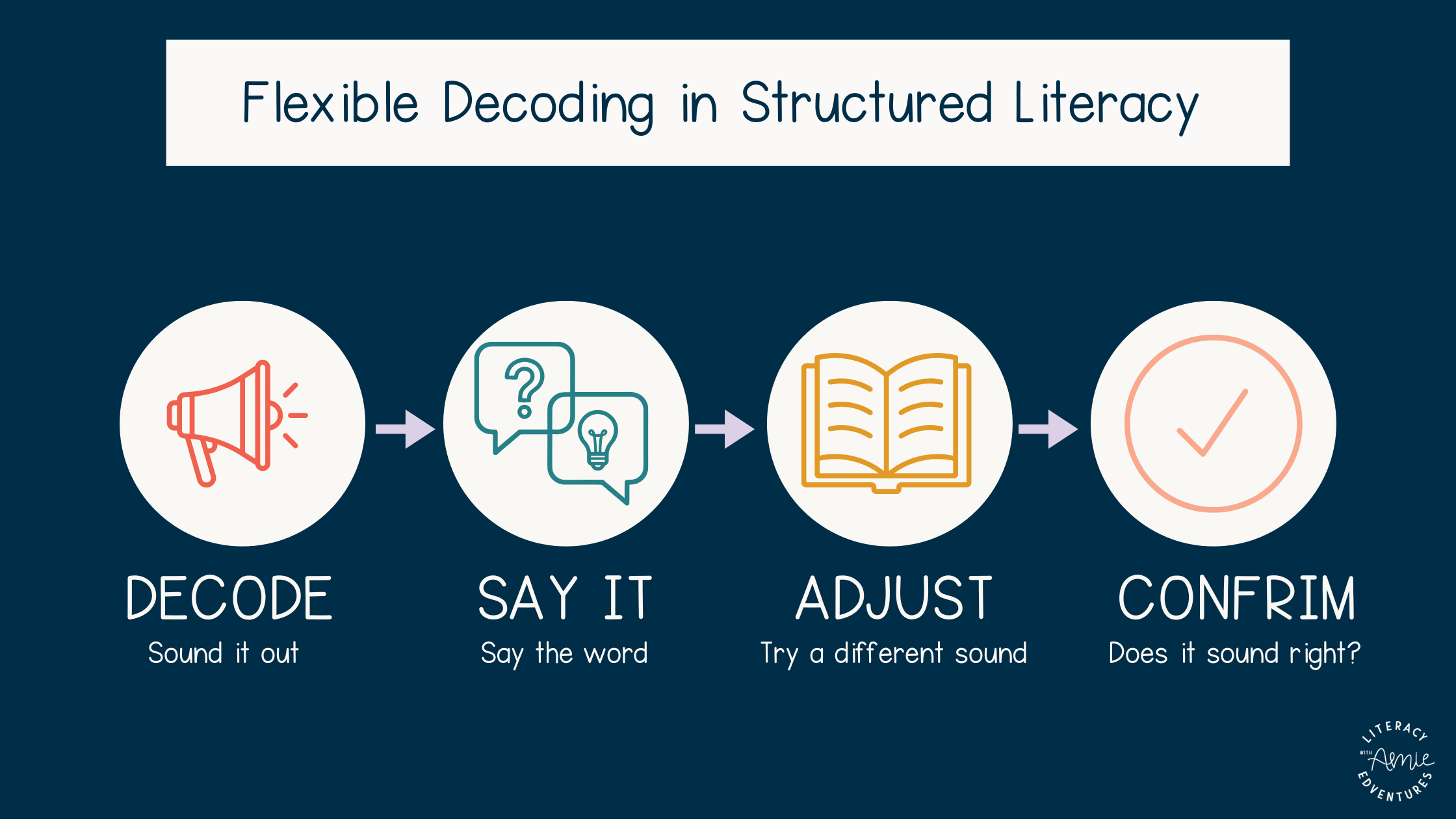
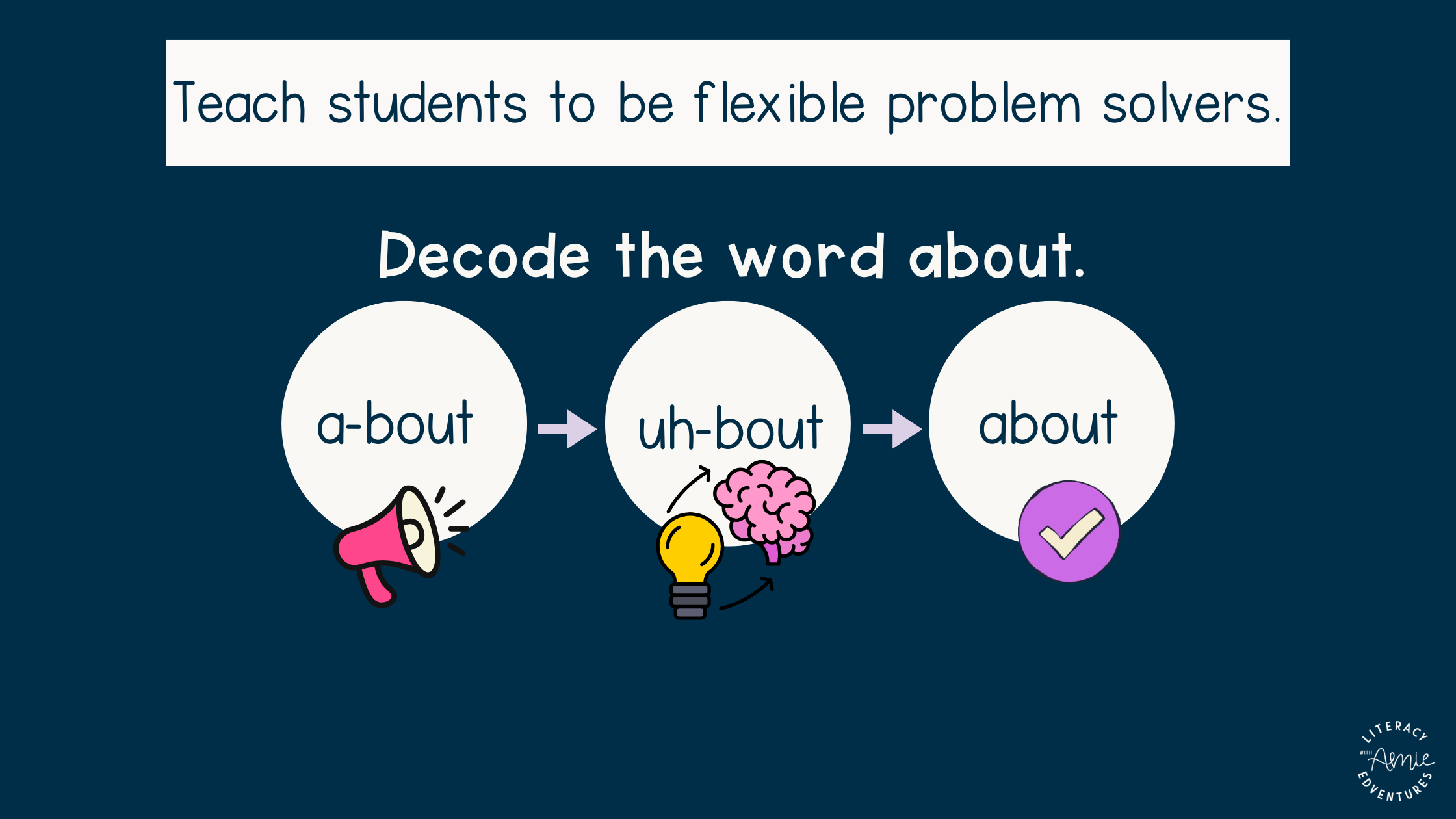
At its core, set for variability refers to a reader’s ability to recognize that when they sound a word out, the first pronunciation may not be perfectly accurate — and to adjust it. For example, a student might decode the word habit as “hay-bit.” From a phonics standpoint, they are applying what they’ve been taught. However, “hay-bit” does not match an entry in their mental dictionary. A skilled reader searches for the closest known word and recognizes that the intended word is habit. That mental adjustment is set for variability.
It is important to note that this process only works if the word already exists in the student’s oral vocabulary. If a child has never heard the word habit, they cannot adjust toward it. This is why vocabulary knowledge and decoding skill must develop together.

Is Set for Variability Just Guessing?
One of the most important clarifications from our conversation is that decoding always comes first. Set for variability does not replace phonics instruction. It follows it.
Students sound the word out using their phonics knowledge. After producing a pronunciation, they evaluate whether it sounds like a real word they know. If it does not, they adjust. Context may help confirm the word after decoding, but it is not used to predict the word in advance.
This distinction matters. Flexible decoding is not three-cueing. It is not skipping. It is not encouraging students to rely on pictures or context to guess unknown words. Instead, it strengthens decoding by teaching students how to refine it when English’s complexity interferes with perfect pronunciation.
Why Flexible Decoding Is Necessary in English
English is a complex language with layers of historical influence. While systematic phonics instruction gives students powerful tools for decoding, it cannot account for every pattern students will encounter. Attempting to teach a rule for every possible spelling pattern would require hundreds of rules, far more than students could reasonably internalize.
The schwa sound illustrates this complexity clearly. Nearly every multisyllabic word that is not a compound word contains a schwa. This means that at least one vowel sound in the word will not align neatly with the primary vowel sound students were taught. When reading a word like about, students may decode it in a way that is technically logical but does not match natural pronunciation. There is no single reliable rule that predicts every schwa occurrence. At some point, students must learn to adjust the pronunciation so that it aligns with a known word.
Flexible decoding becomes essential when students move beyond simple one-syllable words and into multisyllabic word reading. It allows them to apply their phonics knowledge while also navigating the realities of English orthography.

The Connection Between Set for Variability and Phonemic Awareness
Although set for variability often comes up in discussions about upper elementary students, its roots are present in early phonemic awareness instruction. When students blend individual sounds such as /k/ /a/ /t/, those isolated sounds never perfectly resemble the spoken word cat. There is always slight distortion when phonemes are segmented and then recombined.
Blending requires students to mentally adjust and merge sounds into a recognizable word. In many ways, this is an early form of flexibility. As words become longer and more complex, the same mental skill expands. Students decode, evaluate, and adjust until the word matches something in their mental lexicon.
Strong phonemic awareness instruction lays the groundwork for flexible decoding later on.
How to Support Set for Variability Within Structured Literacy
Set for variability does not undermine structured literacy. Instead, it complements it. Explicit phonics instruction provides the structure students need to decode accurately. Flexibility allows that structure to function within a language that is not perfectly predictable.
In practice, this means continuing to prioritize systematic phonics instruction while also normalizing adjustment. When a student decodes a word that does not sound quite right, simple prompts such as “Can you try that a different way?” or “Does that sound like a word you know?” encourage flexibility without introducing additional rules.
It is also important to distinguish between decoding gaps and flexibility needs. If a student is producing incorrect letter sounds, the issue is phonics and requires explicit reteaching. If the student is producing largely accurate sounds but not recognizing the word, additional reading practice and opportunities to apply flexible decoding may be more appropriate.
The Takeaway for Teachers
If there is one belief shift that emerged from my conversation with Devin Kearns, it is this: we must teach decoding explicitly, but we must also teach students that adjustment is part of skilled reading.
We cannot create a rule for every spelling pattern in English. At some point, flexibility becomes more powerful than adding another rule to a scope and sequence. Structured literacy provides the foundation. Flexible decoding allows students to navigate the complexity of real text with confidence.
Set for variability is not guessing. It is the mental flexibility that allows decoding to work in a language as complex as English.
Ready to Strengthen Multisyllabic Word Instruction?
If you’re working with students who can decode simple words but struggle when texts become more complex, flexible decoding may be the missing piece.
Inside my Route2Reading membership, I walk teachers step-by-step through multisyllabic word instruction, decoding routines, fluency strategies, and practical ways to apply structured literacy in real classrooms.
Because strong readers don’t just follow rules — they know how to adjust.
And that’s a skill we can intentionally teach.
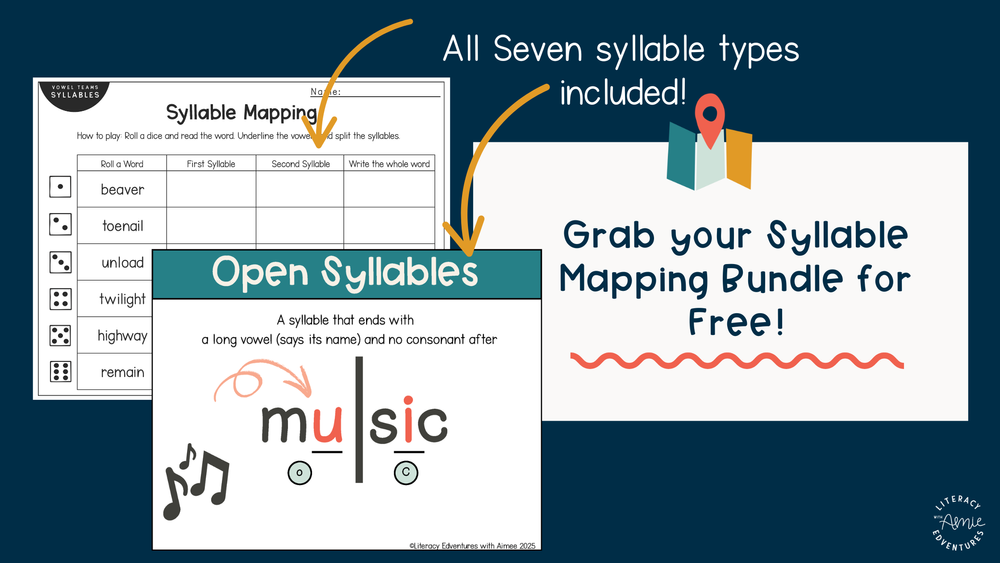
👉 Grab some of my syllable resources! They teach multisyllabic decoding while reinforcing flexibility.
Connect with Devin Kearns
If you’d like to explore more of Devin’s work on set for variability, flexible decoding, and multisyllabic word reading, you can connect with him here:
Website:
https://www.devinkearns.com
On his website, you’ll find:
Research publications
A comprehensive list of letter-sound correspondences
Finder (a phonics word search tool for building word lists)
LinkedIn:
https://www.linkedin.com/in/devinkearns/
He frequently shares research insights and literacy updates there.