


About Literacy Edventures
We’re ditching the one-size-fits all literacy instruction that doesn’t actually fit all.
Through resources, coaching, memberships, and courses—we’re on a mission to help K-3 teachers ditch the overwhelm of literacy planning and give you the evidence-based strategies and resources you need to reach ALL your kiddos.
Meet the Team
-

Amie Burkholder
CEO + Literacy Coach
-

Kaylee McCaslin
Content Specialist + Integrator
-

Natalie Emerson
Visual Marketing Designer
-

Cassie Hames
Curriculum Specialist
-

Helen Noonan
Membership Support
-

Kate Christy
Website Design


I knew as a first grade teacher, I was in a critical role for my students’ literacy journey—but it wasn’t enough!
I first learned about the Science of Reading while teaching first grade. And the funny thing is, when I first started teaching—I thought I had it all figured out. I quickly discovered that programs and balanced literacy didn't work for all of my students.
So I decided to go back to school to get my masters in reading to become a reading specialist. While I was hoping this would be the missing piece, it wasn’t. I went back for Orton Gillingham and LETRS training. Over the years I’ve continued to test strategies, learn, collect data, and follow the science.
In 2019 I started Literacy Edventures to create a space to support teachers beyond the classrooms in my own school building.
As a K-5 Literacy Coach, I love sharing all of my tried-and-true activities, strategies, and resources that follow the Science of Reading with all of you through my Route2Reading membership, Phonics Curriculum, Shop, Blog, and Podcast.
Tune into the podcast
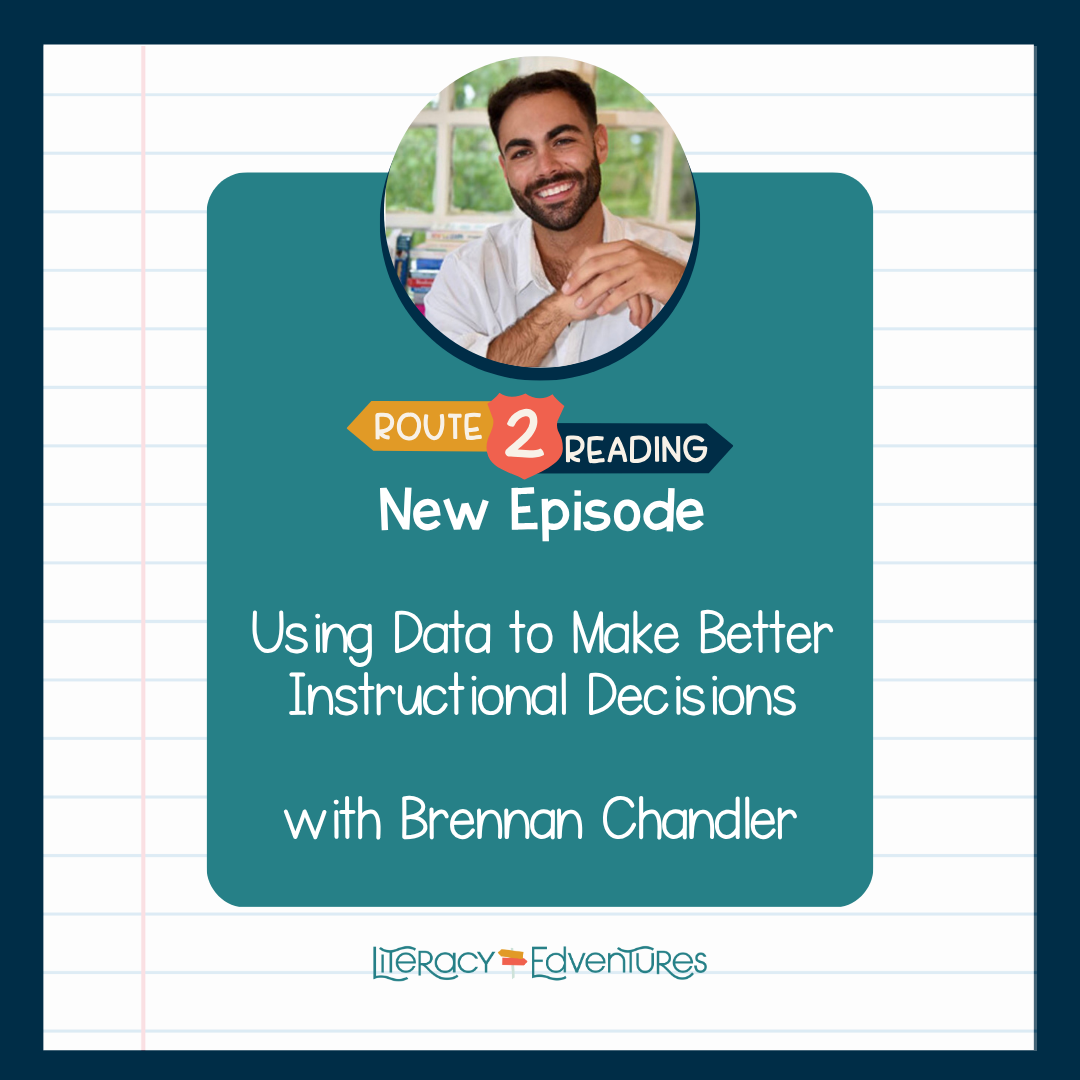
In this episode, I sit down with Dr. Brennan Chandler, Assistant Professor of Dyslexia at Georgia State University, to talk about how schools can move beyond simply collectingliteracy data and actually use it to make better instructional decisions.
We dig into what a meaningful data deep dive looks like—from looking at schoolwide benchmark data to identifying grade-level patterns, examining specific subtests, and ultimately determining what instruction students actually need.
Why do so many literacy initiatives start with excitement but struggle to produce lasting results?
In this episode, I dive into one of the most common literacy mistakes happening in schools today: disconnected instruction.
Too often, Tier 1 instruction, small groups, intervention, tutoring, and progress monitoring all operate as separate systems. Teachers are working incredibly hard, but when instruction isn't aligned, students are left trying to navigate different routines, expectations, and approaches throughout the day.
The problem usually isn't a lack of effort—and it isn't always the program.
The problem is often the system.
Join me as I explore why alignment matters more than effort, how consistent instructional routines support struggling readers, and what schools can do to create a more cohesive approach to literacy instruction.
Before you start buying new resources, rewriting your literacy block, or planning every detail of next year, there is one thing that matters more than all of it: reflection.
In this episode, I share why the most effective teachers don't begin summer planning by searching for new programs or activities. Instead, they start by examining what actually worked, what didn't, and which instructional routines truly supported student growth throughout the year.
If you've ever felt pressure to completely reinvent your literacy instruction every summer, this episode will help you step back, simplify, and focus on what matters most.
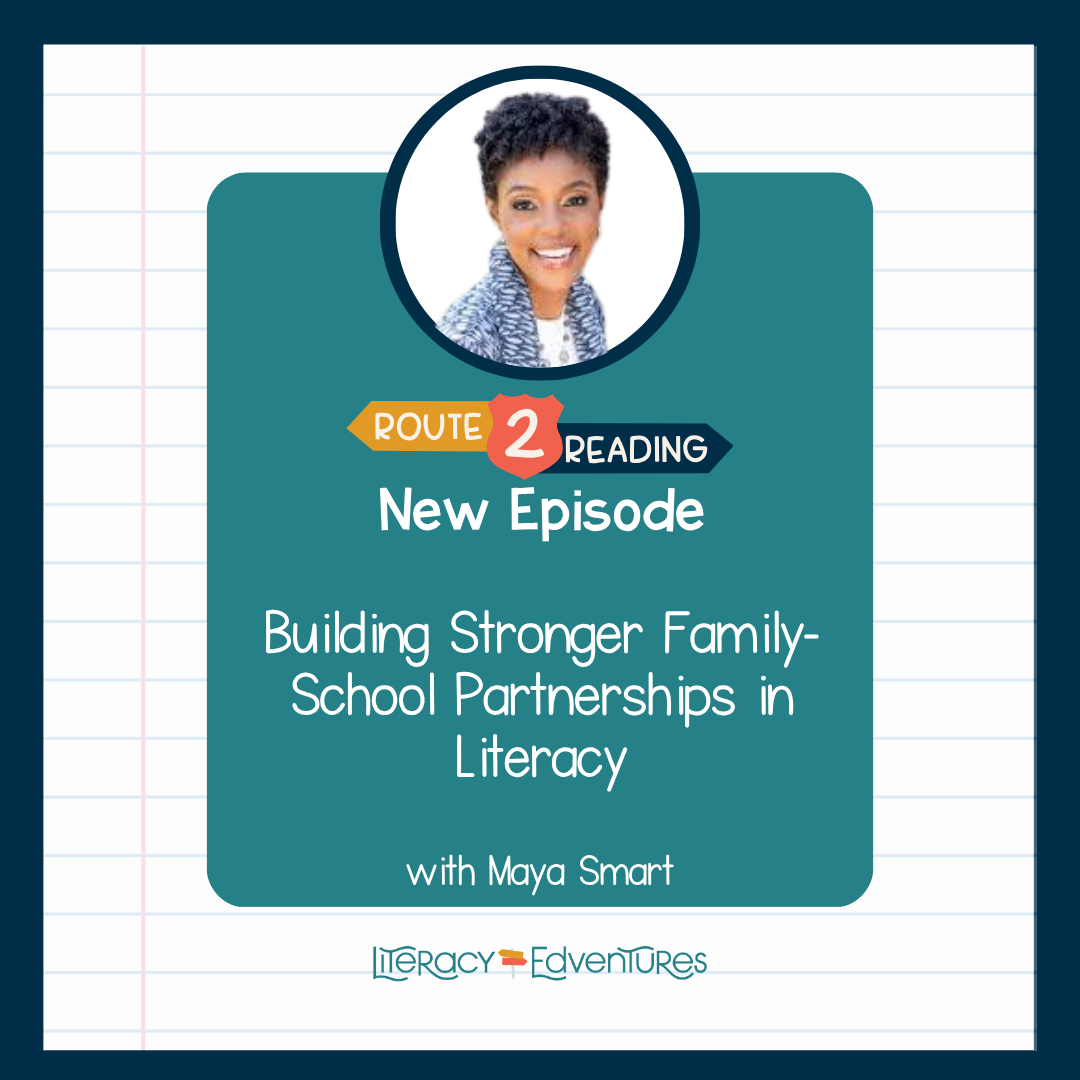
In this episode of the Route2Reading Podcast, I sit down with Maya Smart to explore how we can build stronger, more meaningful partnerships between schools and families to support early literacy.
Maya brings a powerful parent perspective to this conversation, helping us rethink how we communicate with families, what parents truly need to know, and how we can better invite them into the literacy process.
We talk about shifting from “sending work home” to building real partnerships, simplifying communication, and helping parents understand not just what to do—but why it matters.
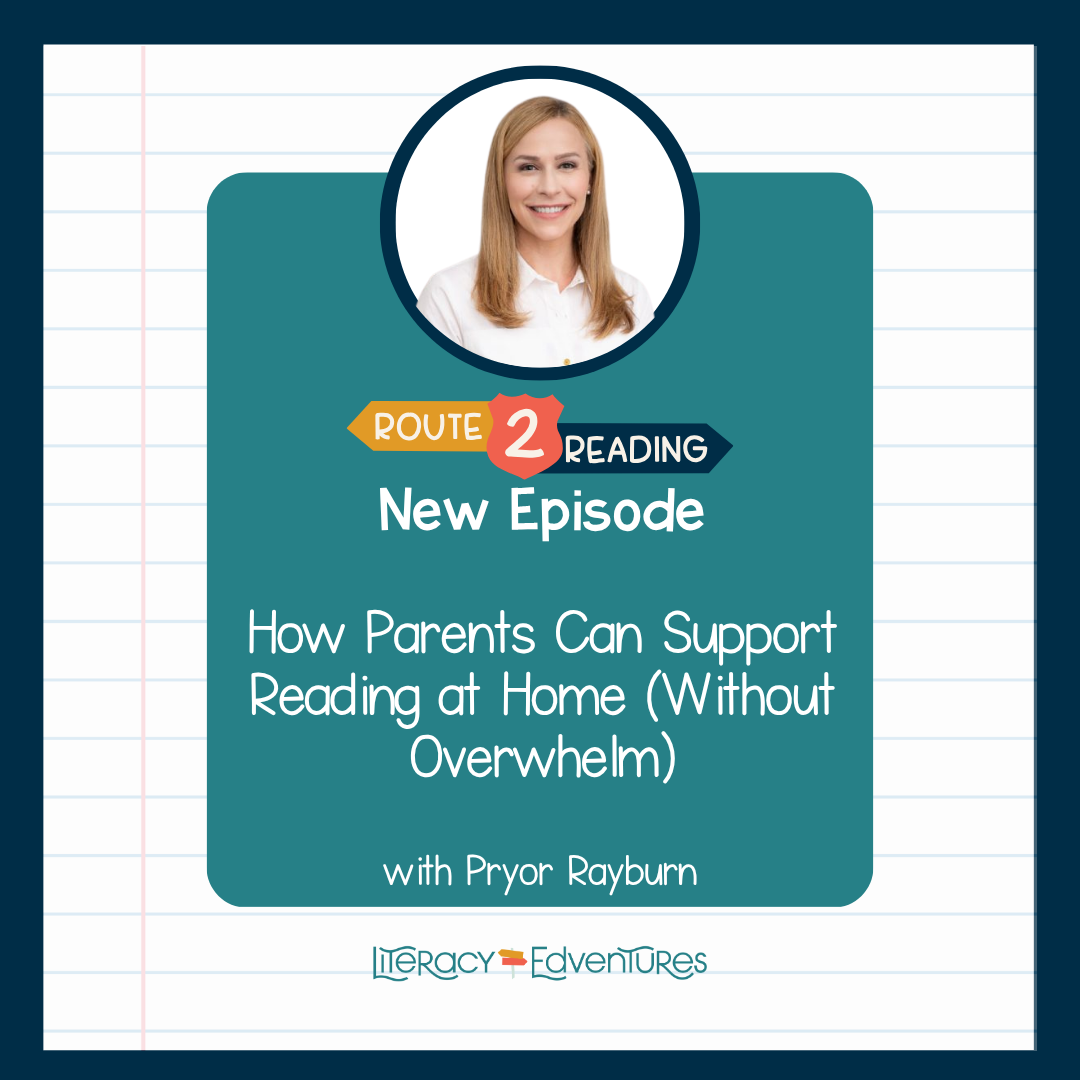
In this episode of the Route2Reading Podcast, I sit down with Pryor (Orton Gillingham Mama) to talk about how parents can support their young readers at home using simple, effective, and realistic strategies.
Drawing from her experience as both an Orton-Gillingham educator and a mom, Pryor shares what actually makes a difference—and what doesn’t—when it comes to helping children learn to read.
We break down what parents need to understand about how reading develops, how to make the most of just 10 minutes a day, and how to support children emotionally when reading feels hard.
If you’re a parent, or you work with families who want to help but aren’t sure how, this episode will give you clear, doable next steps.
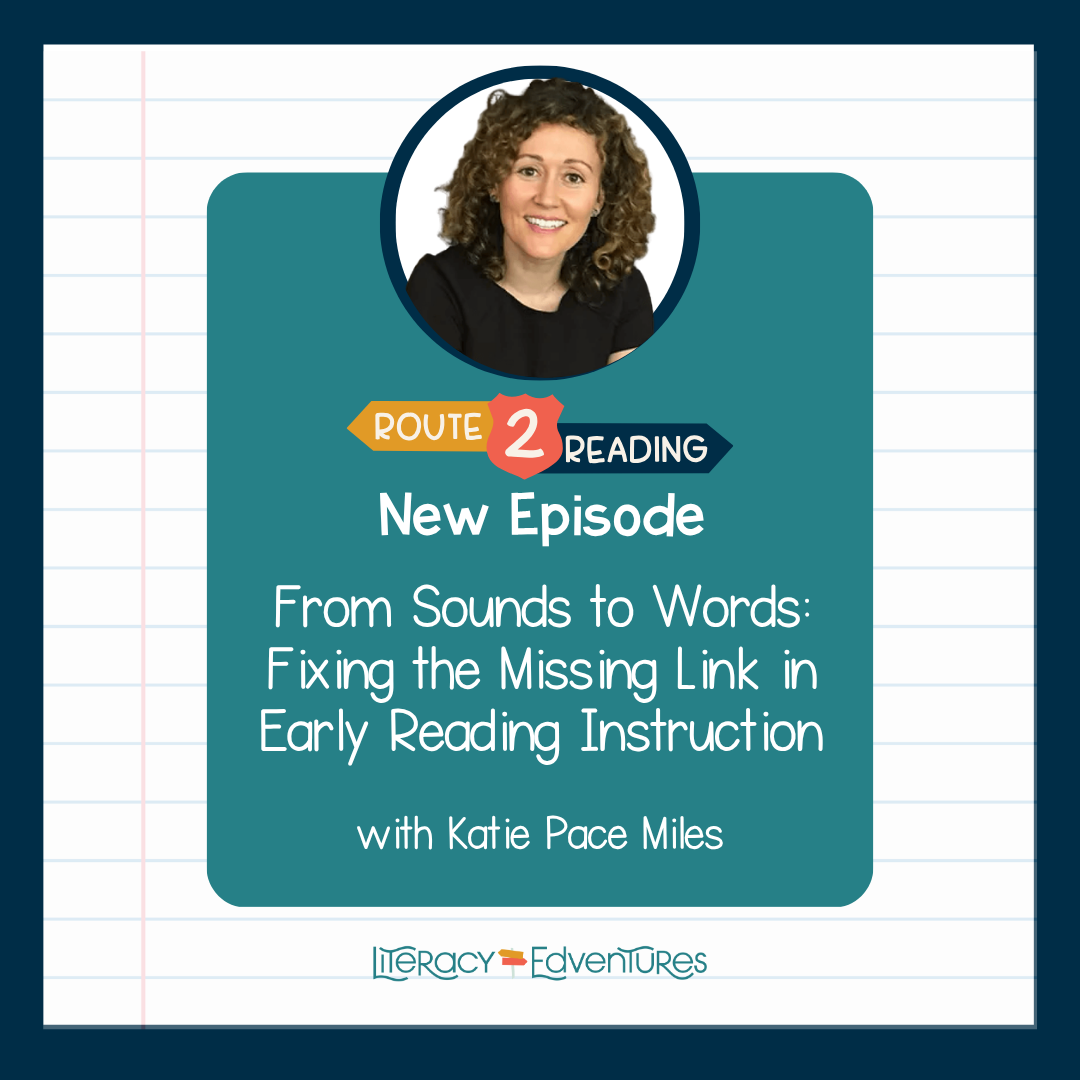
In this episode of the Route2Reading Podcast, I sit down with Katie Pace Miles to unpack one of the biggest challenges in early literacy—why phonemic awareness and phonics instruction don’t always translate into real reading and spelling success for struggling readers.
Katie shares insights from her extensive work in literacy research, teacher education, and intervention, along with the development of her program, Reading Ready. We dig into what’s often missing in classroom instruction, how to intentionally build transfer from sounds to words, and what effective, efficient instruction actually looks like in real classrooms.
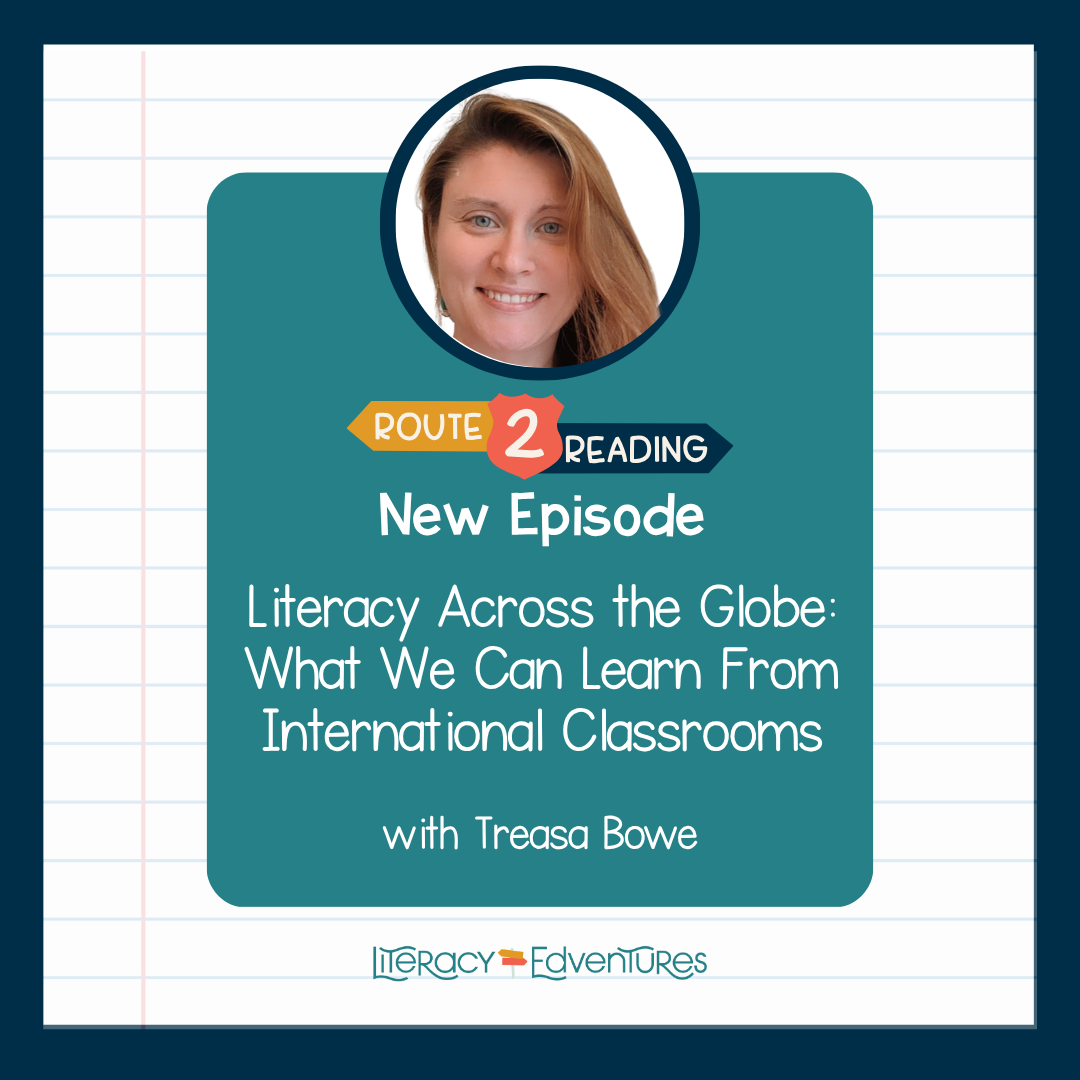
In this episode, I sit down with Teresa Bowe, an educator from Ireland, to talk about literacy instruction across countries. We unpack the differences between Ireland and the U.S., what’s contributing to teacher overwhelm, and what actually matters most when it comes to supporting students.
This conversation is a good reminder that we don’t need to do more—we need to be more intentional with what we choose to focus on.
If you’ve ever thought, “My students just can’t write,” this episode is for you.
Writing is one of the most misunderstood parts of literacy instruction — and often one of the most frustrating for teachers and students alike.
In today’s conversation with Barbara Friedlander, we unpack what’s really happening beneath the surface when students struggle with writing — and what actually makes a difference.
This week on the podcast, I’m joined by educators from PS152Q in Queens to talk about what it really looks like to shift a school toward structured literacy. We dive into how their team moved away from practices that weren’t serving all students and began building a literacy block grounded in explicit phonics, intentional routines, and strong Tier 1 instruction.

If your students can decode CVC words but completely shut down when they see fantastic or instruction, this episode is for you.
In today’s conversation, we dig into what really helps students read multisyllabic words — and it’s not just memorizing syllable types.
In this episode, I sit down with speech-language pathologist Sydney Bassard to unpack one of the most powerful (and often misunderstood) tools in literacy instruction: spelling error analysis.
Together, we explore how spelling, reading, and writing are deeply interconnected—and why looking beyond percent correct can completely change how we support students.
Section Styles summary-carousel
It feels like it was just yesterday...
When I was handed a manual, wished the best of luck, and sent on my way to start teaching first grade
Graduated with my Masters in Literacy Education K12 and started a position as a K-5 Literacy Coach
Started selling resources on Teachers Pay Teachers
Ooops! Teaching Kindergarten because of COVID19 Pandemic while still maintaining my role as a K-5 Literacy Coach
Back in my role as a literacy coach.
Started Unlocking SOR—a virtual conference all about bringing the Science of Reading to your classroom
Started offering professional development for districts and presenting at conferences
Poured tons of time and energy and love into my Literacy Edventures products, courses, and members
Presented at more conferences
Read the latest articles
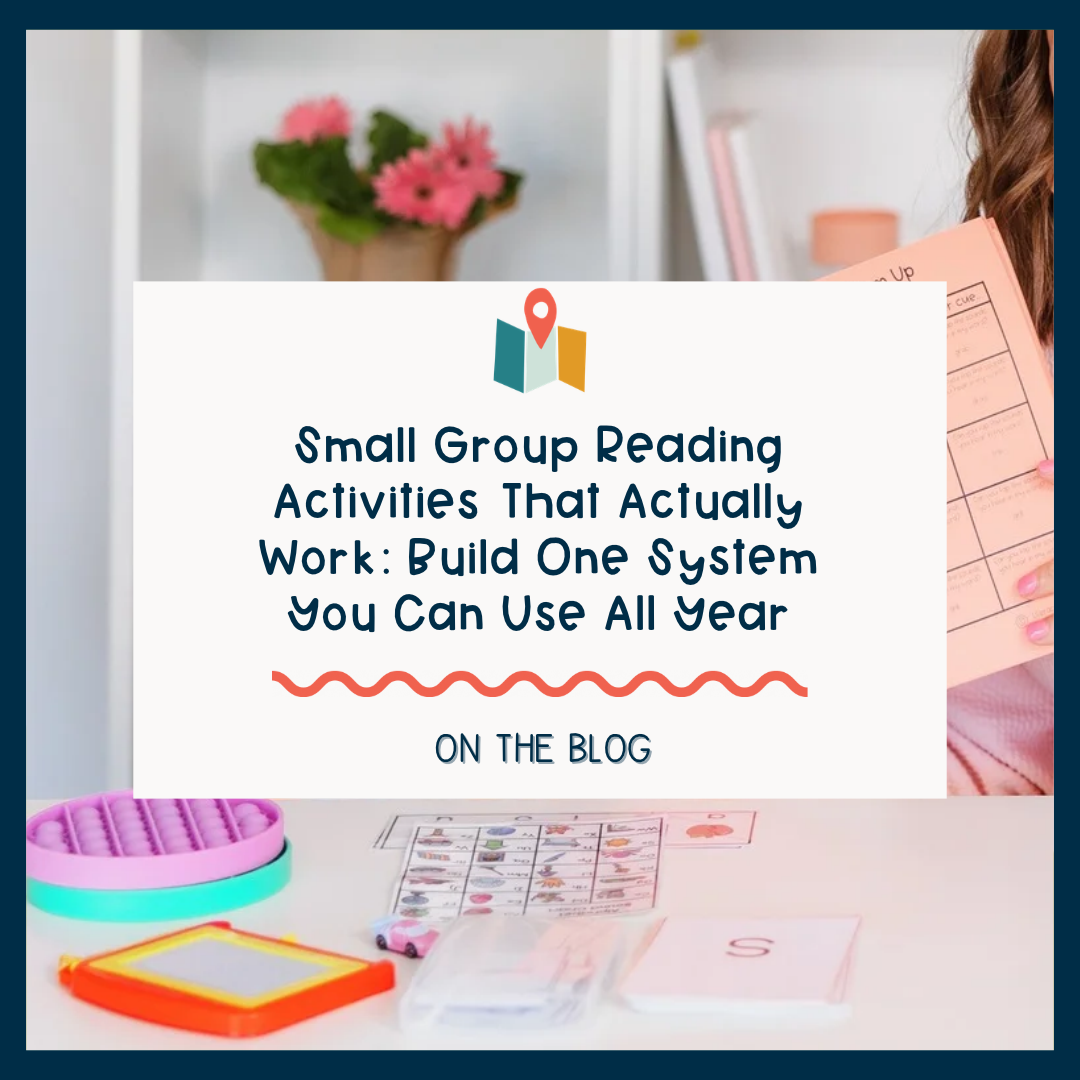
Stop planning brand-new small group reading activities every week. Learn how to build one simple instructional system using phonemic awareness, word chaining, word mapping, dictation, and decodable reading that works all year long.
Reading assessment data should do more than identify students below benchmark—it should guide your instructional decisions. In this post, I share the five instructional decisions I use to move from assessment results to purposeful small-group instruction that meets students' specific needs.
Learn how to use opportunities to respond in phonics instruction to increase student engagement, provide more practice, and monitor learning.
Not all phonics lessons are created equal. In this post, discover seven research-based instructional decisions that can strengthen Tier 1 instruction, increase student thinking, and help more students become successful readers.
Every Child Deserves the Journey
When I first became a teacher, I thought my job was to help children become better writers. Fifteen years later, I see that job a little differently.
Today, I believe my job is to help children discover that they have something worth saying. Because when you really stop and think about it, writing has never just been about handwriting, spelling, punctuation, or paragraphs. Writing is communication. It's how children tell us what they know, share what they wonder, make sense of their experiences, and tell the stories only they can tell.
The Roadmap We've Been Missing
By this point, I knew writing was developmental.
I understood that my students weren't struggling because they lacked ideas. They simply hadn't yet developed all of the skills required for writing.
But I was still left with one question.
If writing develops over time... what does that progression actually look like?
That question became my obsession.
I started watching my students differently. I stopped looking only at the writing they produced and started paying attention to everything that happened before they ever picked up a pencil. I watched the conversations they had with classmates. I listened to the stories they told during play. I noticed the pictures they drew, the way they held a pencil, the sounds they could hear in words, and how confidently they could express their ideas out loud.
Writing Is Developmental
When I started asking a different question—What has to happen before writing becomes successful?—I found myself looking at writing in a completely different way.
The more I studied child development, the more I realized something that now seems incredibly obvious.
We already understand that reading is developmental.
No one expects a child to read a chapter book before learning letter names and sounds. We don't skip phonological awareness and move straight to decoding. We don't expect fluent reading before students learn to blend words.
Every reading skill builds on the one before it.
Every stage prepares students for the next.
We honor that progression because we know children can't skip developmental steps.
So why don't we think about writing the same way?
Somewhere along the way, we've started treating writing as though it's a task instead of a developmental process. We assume that if students have something to say, they should be able to write it.
Fifteen years ago, when I started my career as a first-grade teacher, I thought I had writing figured out.
Looking back now, I can't help but smile at that version of myself.
I had the lesson plans, the mentor texts, the writing prompts, and all the enthusiasm of a brand-new teacher. I truly believed I knew how to teach children to become writers.
Then one student changed everything.
She sat in front of me with a sharpened pencil in her hand and a blank piece of paper on her desk.
Around her, the room buzzed with the quiet sounds of writing time. Pencils scratched across paper. Some students whispered as they stretched out words, while others eagerly raised their hands to tell me they were finished.
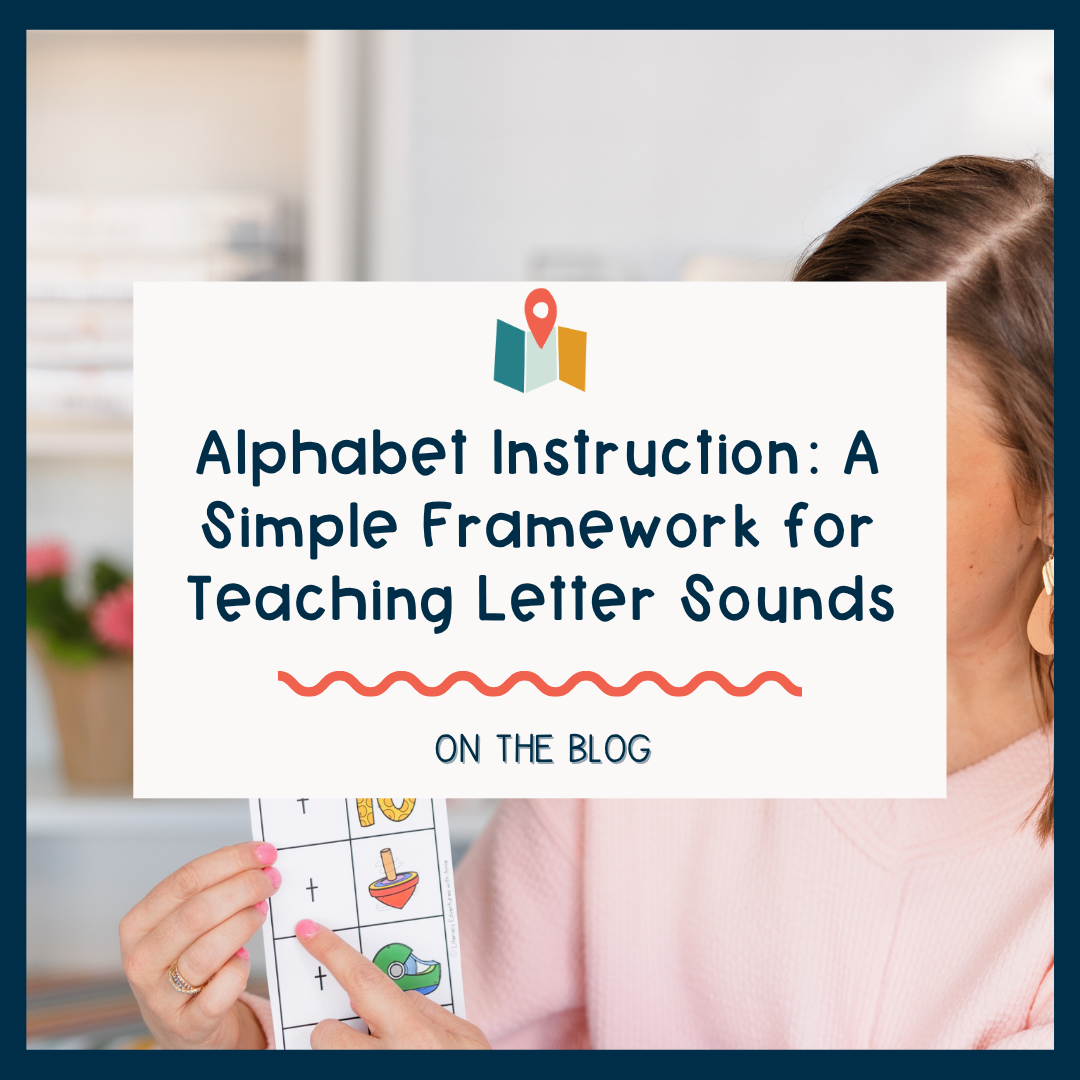
One of the biggest misconceptions about teaching the alphabet is that children need a new "letter of the day."
They don't.
In fact, if we want students to build a strong foundation for reading, they need repeated exposure to letter names and sounds—not isolated practice with one letter every few weeks.
That's why I love teaching the alphabet using an explicit, systematic approach—and I like to call it an Alphabet Boot Camp because it's so much more than traditional alphabet instruction.
It's a simple, streamlined framework that helps you teach letter names and sounds explicitly while cycling through the alphabet multiple times throughout the school year. Better yet, you can easily use my Alphabet Curriculum Resources with this framework because the lesson stays the same each week—you simply switch out the target letters.

Struggling to fit everything into your literacy block? Learn how to simplify your literacy instruction with consistent routines that actually work.
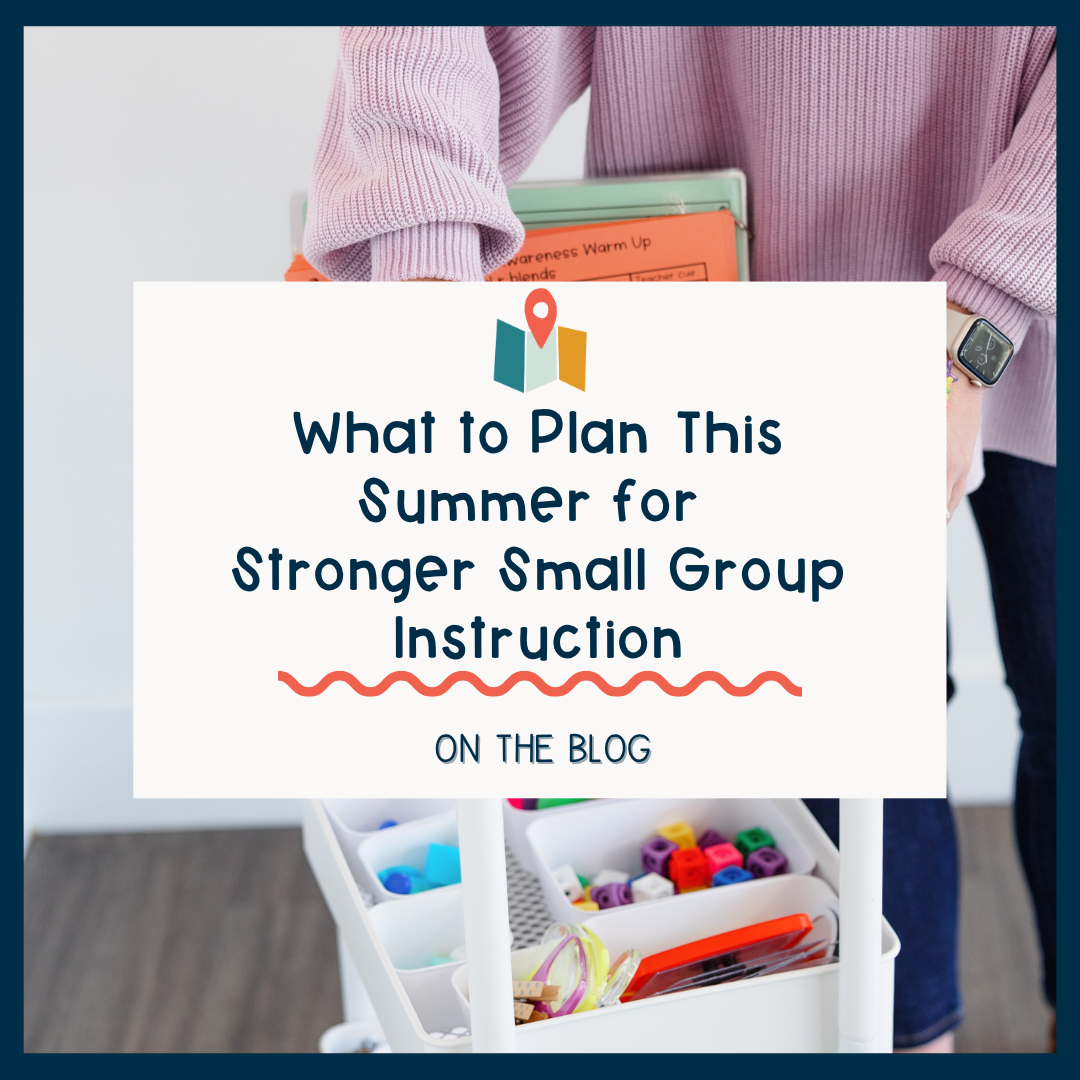
A step-by-step guide to planning stronger small groups with better phonics instruction, assessment systems, intervention alignment, and repeatable routines.
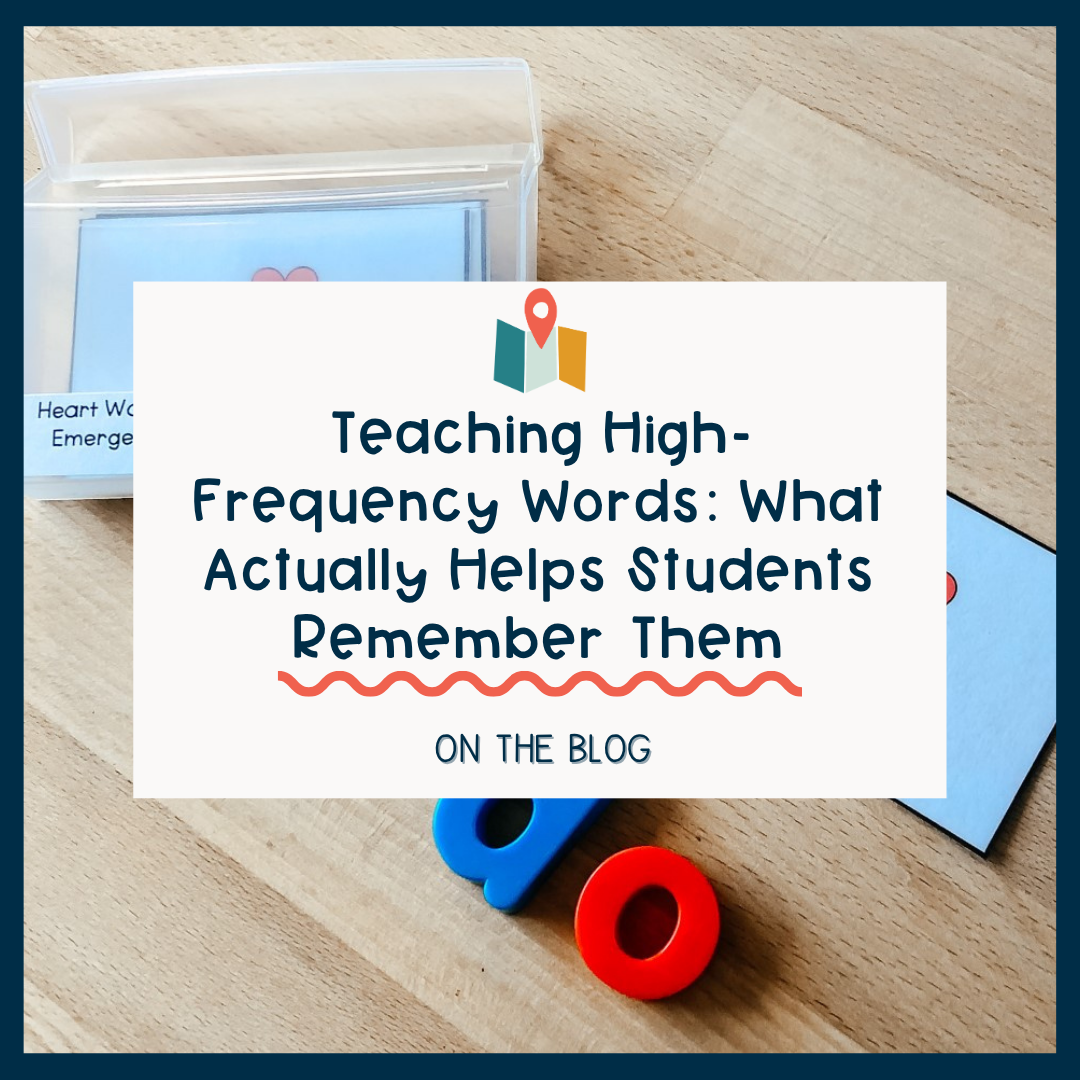
Teaching High-Frequency Words: What Actually Helps Students Remember Them
Learn how to teach high-frequency words using orthographic mapping, simple routines, and structured practice that helps students actually retain words.
Section Styles summary-carousel
In this episode, I sit down with Dr. Louisa Moats, one of the leading voices in reading research and literacy education, to talk about her journey from feeling completely unprepared to teach students with reading difficulties to becoming a lifelong advocate for science-based reading instruction.
Dr. Moats shares the experiences that shaped her work—from her early years as a teacher and psychologist to her doctoral research, work with leading reading researchers, and the development of LETRS Professional Development. We talk about what we already know about how children learn to read, why that knowledge still hasn't consistently made its way into teacher preparation and classrooms, and what it will take to move education toward becoming a true profession driven by science.
We also get practical as Louisa shares what she would look for if she walked into a primary classroom tomorrow, why spelling deserves far more attention, and the advice she would give to teachers entering the profession for the first time.