

3 Low-Prep Reading Activities That Actually Work
If you’re looking for low-prep reading activities that actually work, this time of year can feel a little tricky.
Your students have learned so much, but their attention is different, their stamina is different, and the last thing you want to do is spend hours prepping something new.
At the same time, this is when reading really starts to click.
Students are beginning to move from sounding things out to reading more smoothly—but that only happens if we give them the right kind of practice.
And the research is pretty clear on this.
Students don’t build fluency from constantly reading new text. They build it through repeated, successful practice with words and connected text—the kind of practice that allows them to recognize patterns and read with less effort over time.
So instead of adding more, I always come back to a few simple routines that I can use again and again.
In this post, you’ll find low-prep reading activities you can use right away, simple routines to build reading fluency, and practical ways to move students from decoding to smooth reading.
Word Lists: Decode in Isolation
This is one of the first places I go when reading feels stuck.
If students are still working hard to read individual words, it’s going to show up in everything else. They’ll sound choppy, they’ll lose meaning, and reading will feel like work.
So before adding more text, I slow it down here. Just a small set of words—nothing overwhelming. The key is that the words are aligned to the skill you’ve been teaching.
Have students read through the list, pause, and read it again. Then one more time.
That repetition matters.
We know that orthographic mapping—the process that helps words become stored for automatic recognition—happens through repeated exposure to the same words and patterns. When students don’t have to stop and think about every word, they have more capacity for fluency and comprehension.
This is why word-level work is so powerful. It’s not extra—it’s foundational.
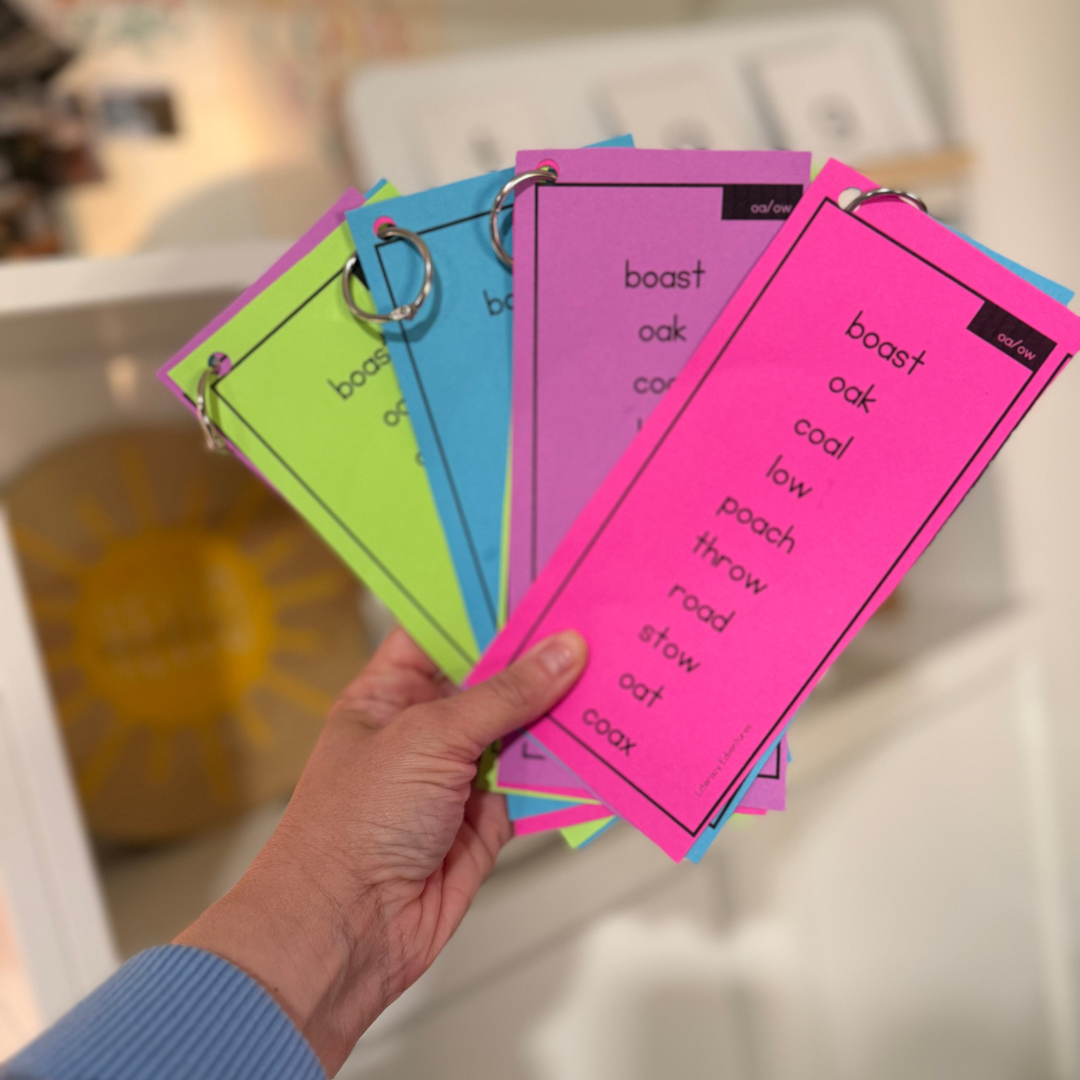
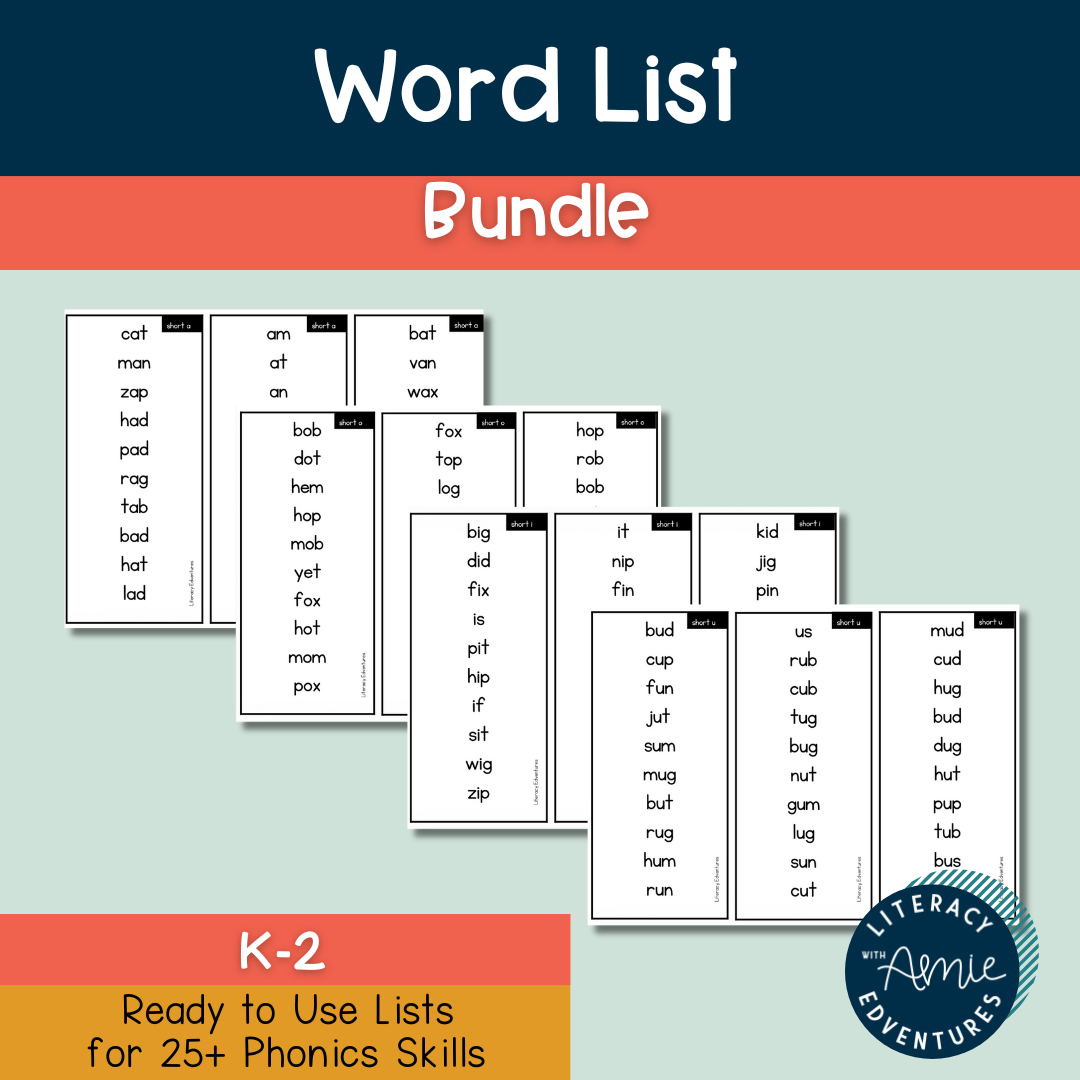
One of my favorite ways to do this is to use simple, skill-aligned word lists. I’ll pull a list that matches what we’re currently teaching—or even better, something we’ve already taught. That cumulative review piece is huge for building confidence.
Here’s what this looks like in practice:
I print a few word lists, cut them apart, and place them on a ring so they’re easy to grab and reuse.
Each student gets a sand timer.
When they sit down, they flip the timer and start reading. The goal isn’t to rush—it’s to see how many times they can read through the list before the timer runs out.
They’re not competing with anyone else—just working to improve their own reading.
And this is where routines really matter.
My students know that when they come to the small group table, there’s already something waiting for them to do. It’s familiar, it’s structured, and it allows me to get everyone settled without losing instructional time.
Simple, consistent, and incredibly effective.
Mix & Fix Sentences
Once students have some confidence at the word level, they need to apply it—but in a way that still feels manageable. This is where simple sentence work makes a big difference.
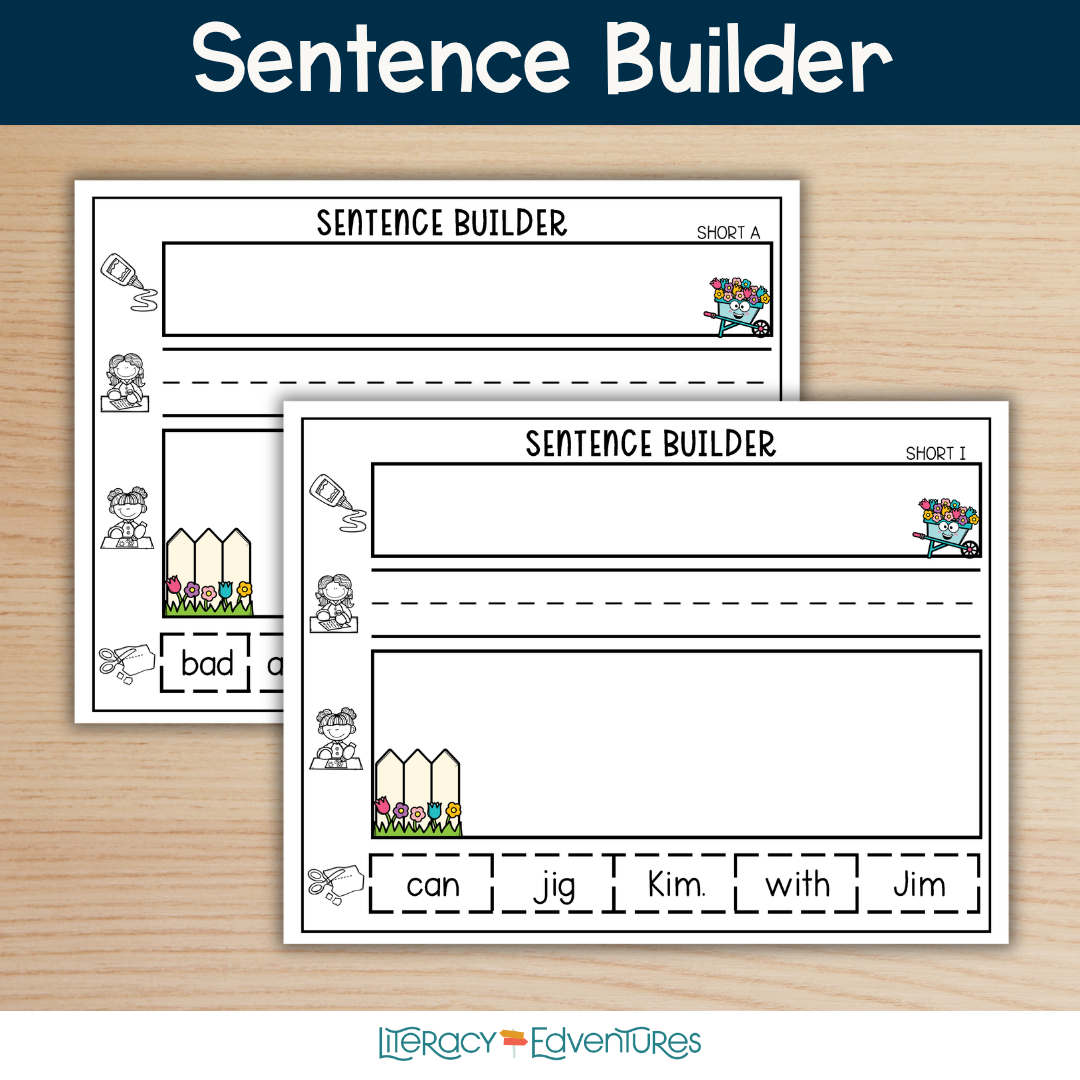
Take a decodable sentence and mix up the words. Have students read each word, put the sentence back together, and then reread it once it makes sense.
It’s straightforward, but it’s doing a lot.
Students are:
decoding each word
thinking about how sentences work
rereading for fluency
And, they’re doing it in connected text.
We know from research that students don’t truly solidify phonics skills through isolated practice alone. They need opportunities to apply those skills in meaningful, connected reading and writing tasks—that’s what helps strengthen word recognition and supports deeper comprehension over time.
This kind of activity creates that bridge.
Students are not just reading words—they’re working with those words in context, which reinforces both orthographic mapping and sentence-level fluency without adding extra complexity
This is one of those activities I come back to again and again in my small groups because it’s simple, engaging, and hits multiple skills at once. It’s also an easy way to keep students actively involved while I’m working with others at the table.
Here’s what this looks like in practice:
First, I cut the sentence into strips.
We start by reading the sentence together so students are familiar with it and can hear how it should sound.
Then we cut the sentence apart, mix up the words, and students work to put it back together.
Once it’s in the correct order, they reread the sentence to build fluency and check that it makes sense.
To extend it just a bit, I have them draw a quick picture to match the sentence.
Fluency Build-Up
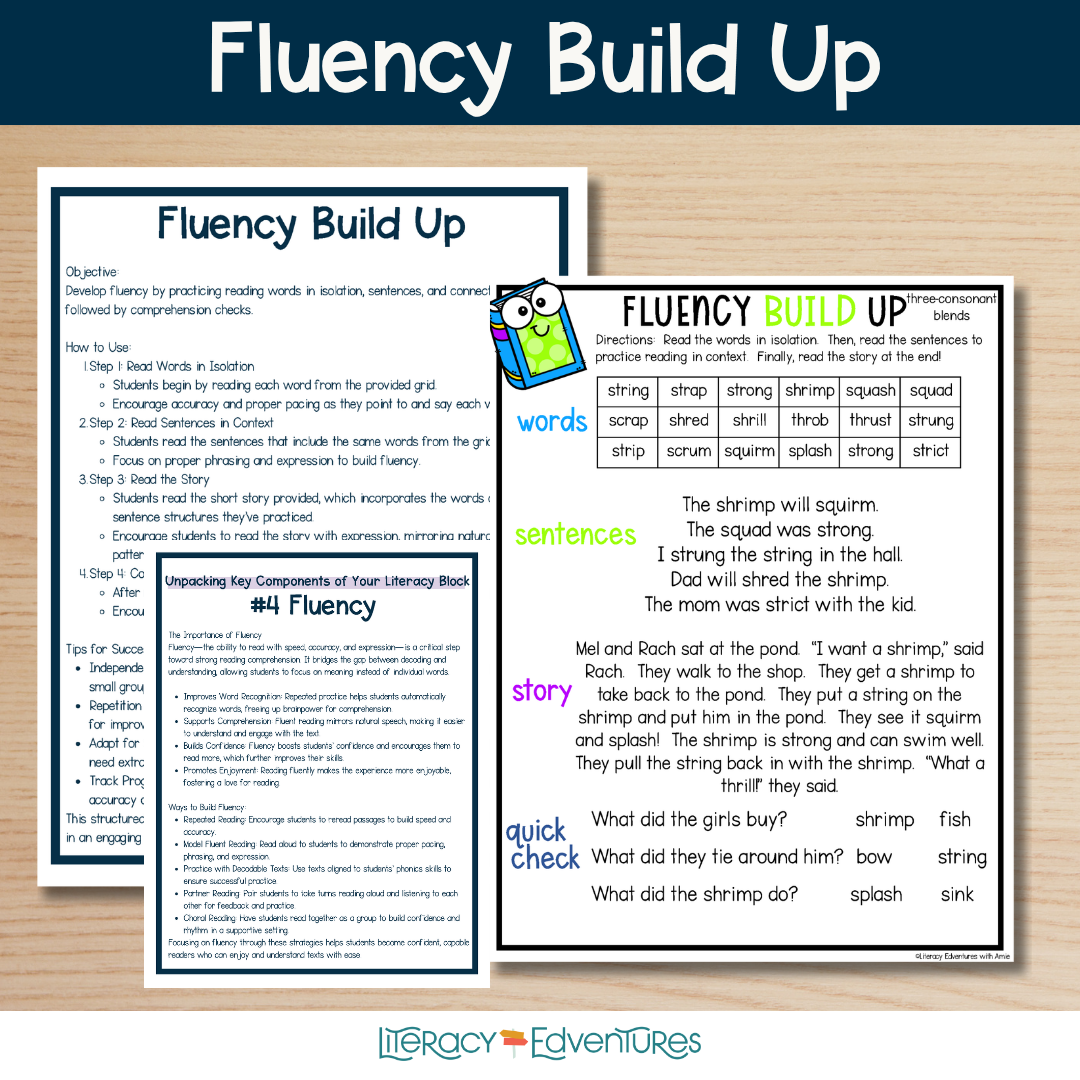
Once students start to feel a little more confident at the word level, the next step is helping them carry that into actual reading—but in a way that still feels doable for them. This is where I like to slow things down and build it up instead of jumping straight into a full passage. We’ll start with a small set of words. Then we’ll move into a sentence that uses those same words. And from there, we’ll go into a short decodable that pulls it all together. It’s simple, but it really works.
Students are:
seeing the same words more than once
practicing them in a sentence
and then reading them again in a connected text
Nothing feels completely new, and that’s the point. We know that fluency develops when students aren’t working so hard to figure out every word. When the words and patterns feel familiar, it allows students to read more smoothly and shift their attention to meaning.
That’s what this routine supports.
It’s also one of those things I come back to when I don’t want to overcomplicate my small group time. It keeps everything really focused and gives students a chance to feel successful as they move from words to text.
Here’s what this looks like in my classroom:
We start with the set of words and read through them together.
Then we read a sentence or two that includes those same words.
And finally, we read the decodable that brings it all together.
By the time they get to the passage, they’ve already seen the words and practiced the pattern, so it feels familiar. They’re not getting stuck on every word—they’re able to read more smoothly.
Bringing It All Together
This time of year can feel a little all over the place, but it’s also such an important window for reading. Students have the skills—they just need the right kind of practice to pull it all together.
That’s really what these routines are about. Not adding more, but being more intentional with what you’re already doing. Giving students repeated opportunities to see the same words, work through them in sentences, and come back to familiar text so they can read it a little more smoothly each time.
That’s really the thinking behind the resources I use with my own students. The word lists, Mix & Fix sentences, and fluency build-ups all follow this same progression—keeping things simple, consistent, and focused on the skills students need most.
At this point in the year, it doesn’t have to be complicated. A small set of words, a sentence, and a familiar passage can go a long way.
And when you stick with it, you’ll start to hear the difference—reading that feels more natural, more confident, and a whole lot less like work. These low-prep reading activities give students the repeated practice they need to build fluency—without adding more to your plate.
Why we love it
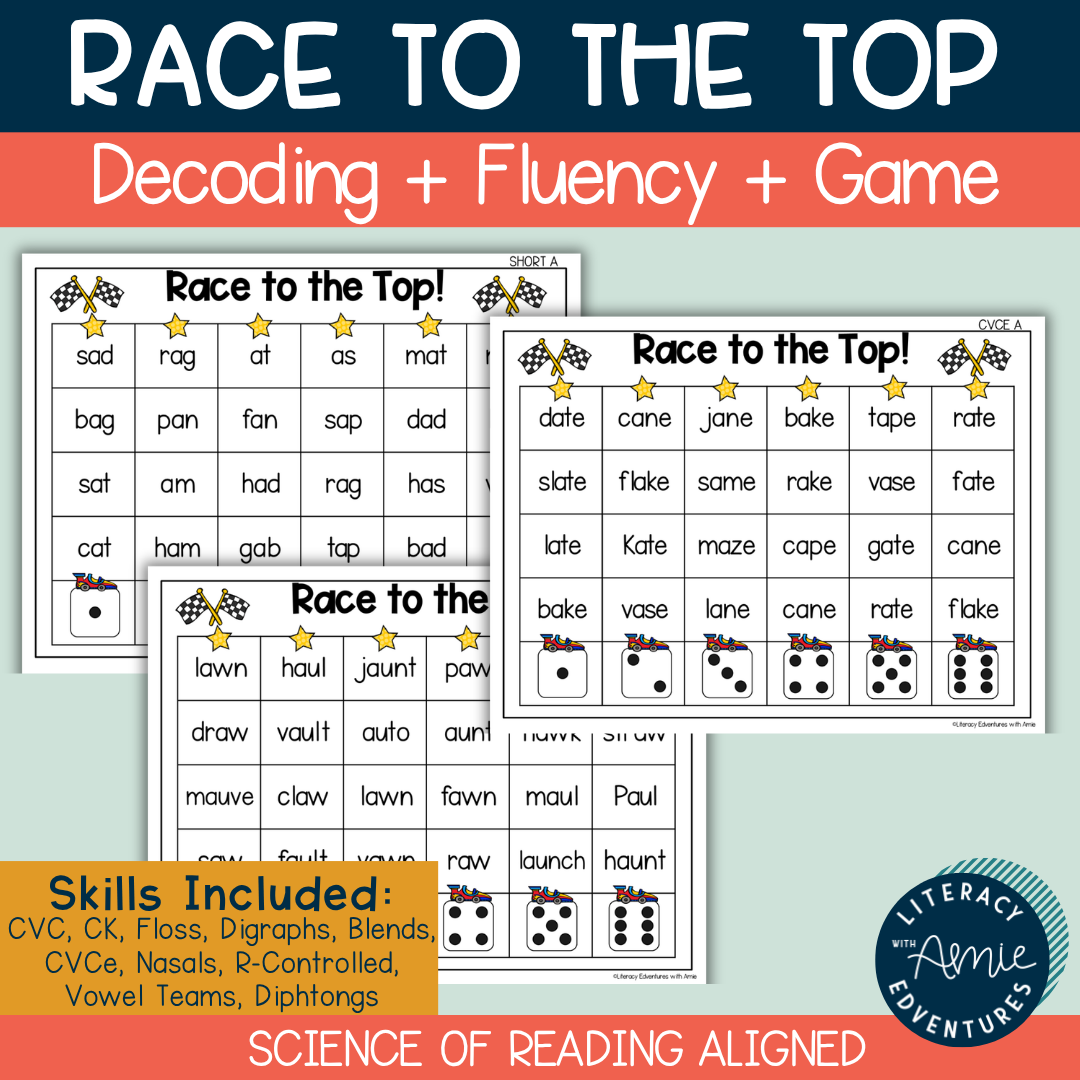
This Word List Bundle is a must-have for any teacher wanting to add in more Word-Level Fluency Practice. Fluency starts before passages—with words.
Save time planning phonics lessons or use these word lists as a way to help your students build fluency. Add a fun sand timer and toss both in a small group bin.

This Sentences Builder activity keeps small hands busy and bright brains learning! This activity is great for hands-on learning because it requires students to cut apart words and piece them together to make sentences that are coherent and make sense.
Sentence development is an important part of writing and understanding our written language. This Sentence Builder activity helps students understand that each word has a meaning and that individual words work together to make a complete thoughts. Students will not only practice their decoding skills during this activity, but will also have a chance to show off their writing and drawing skills!
Terms of Use for Digital Resources: Buying one license allows you to use and send for your classroom students ONLY. If you have a teammate or friend interested in this resource, it's your responsibility to offer for them to use your 50% discount to buy them an additional license. Simply click "buy licenses to share" under the add to cart button OR find this product in your TpT purchases and click "buy additional licenses". Thank you for helping me protect my work!
Let's connect! Follow me on social media for ideas, sales, and new product alerts!
Join my email list for freebies!
**If you are in the State of VA (This resource is part of the Edventures in Phonics Curriculum approved by the VLP under the Virginia State Literacy Act) for grades k-2 as a supplemental resource to your current program. This means that this resource has been vetted and determined to follow the Science of Reading initiative.
GET ALL ACCESS NOW!
OR

Struggling with fluency is a normal process in a student’s reading journey. Students need to process a lot in order to master it and become proficient readers. This Fluency Build-Up activity helps them reach that end goal!
GET ALL ACCESS NOW!
OR
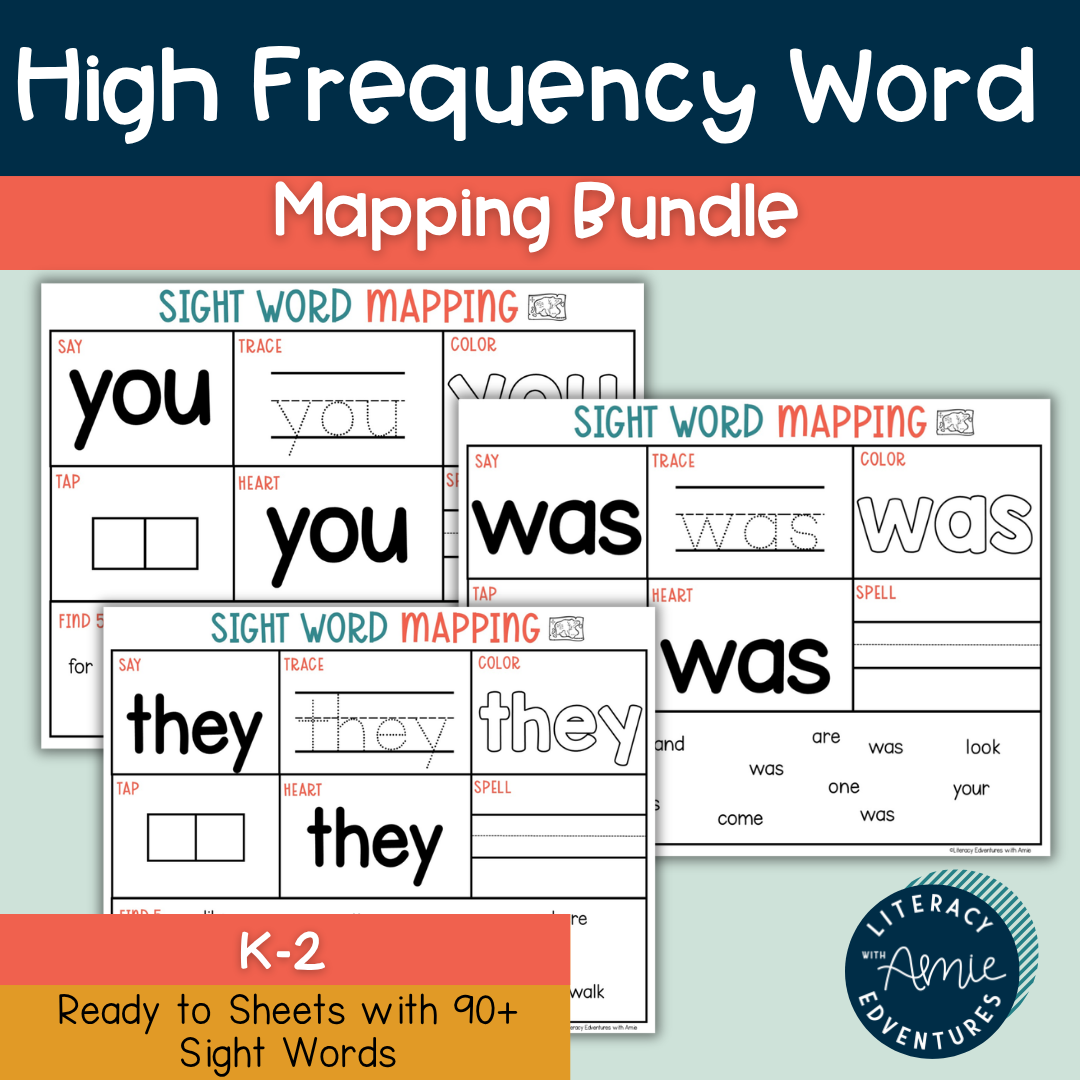
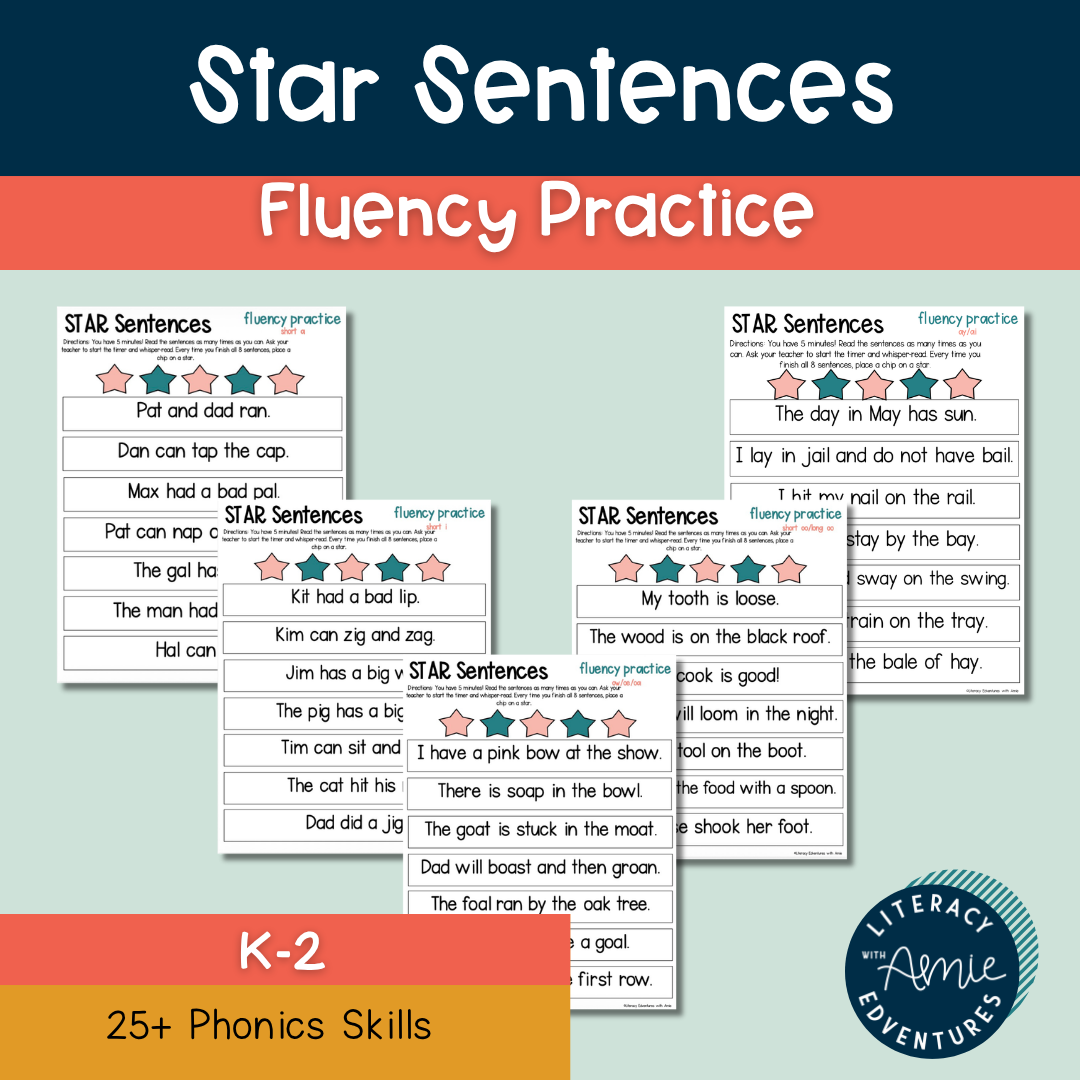

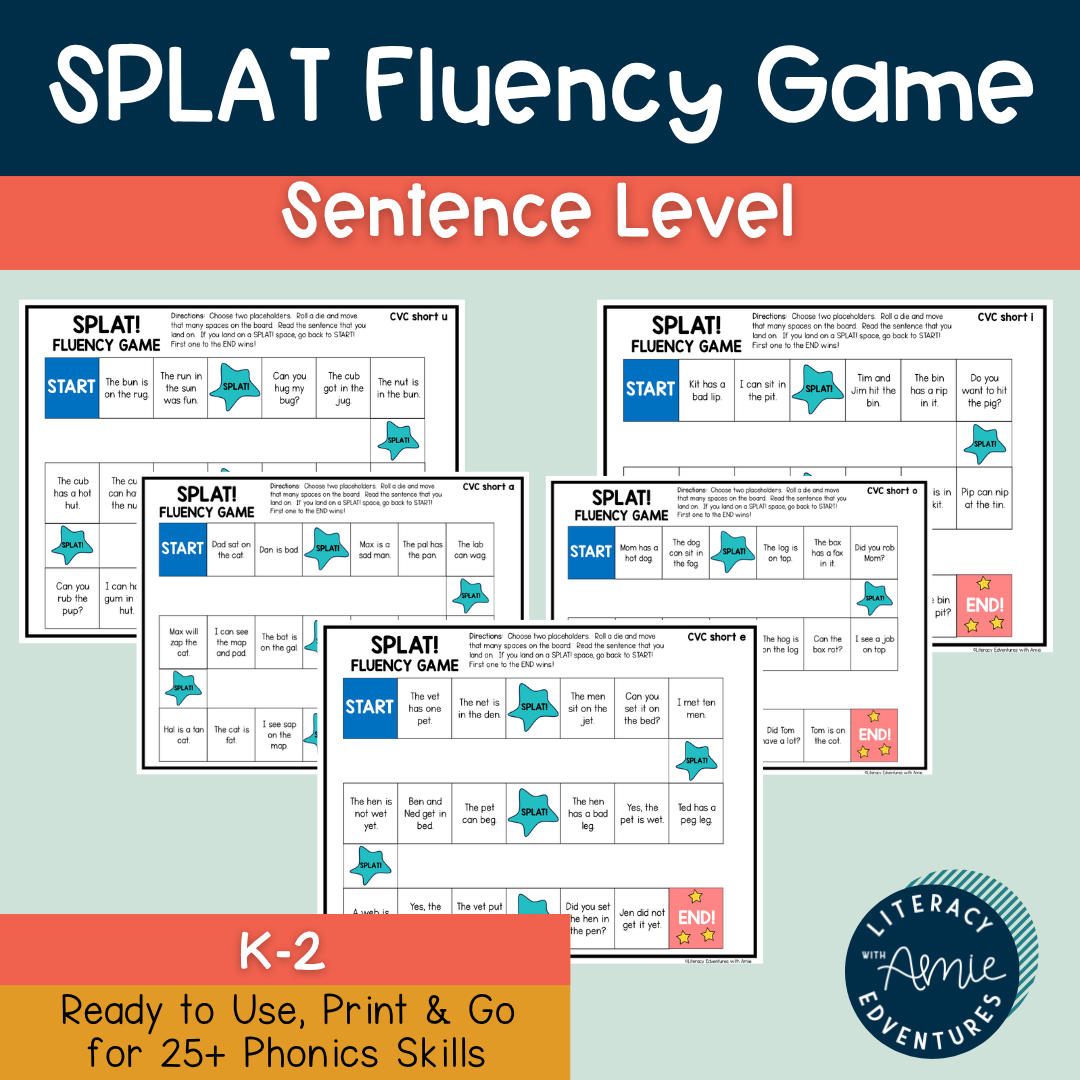

This bundle was designed with YOU in mind! Everything you need to get your small group table or cart ready to go! Perfect for your cumulative review!
Inside the bundle you will find :
Auditory Drill
Visual Cards
Vowel Intensive
Segment and Write Cards
Word Chaining Lists for 25+ phonics skills
Phonemic Awareness Warm Ups for 25+ phonics skills
Encoding and Decoding Helpers for 25+ phonics skills
Do not purchase if you are a Route to Reading Member this resource is in the HUB!
Do not purchase if you have already purchased all of the resources above.
GET ALL ACCESS NOW!
OR