What to Plan This Summer for Stronger Small Groups
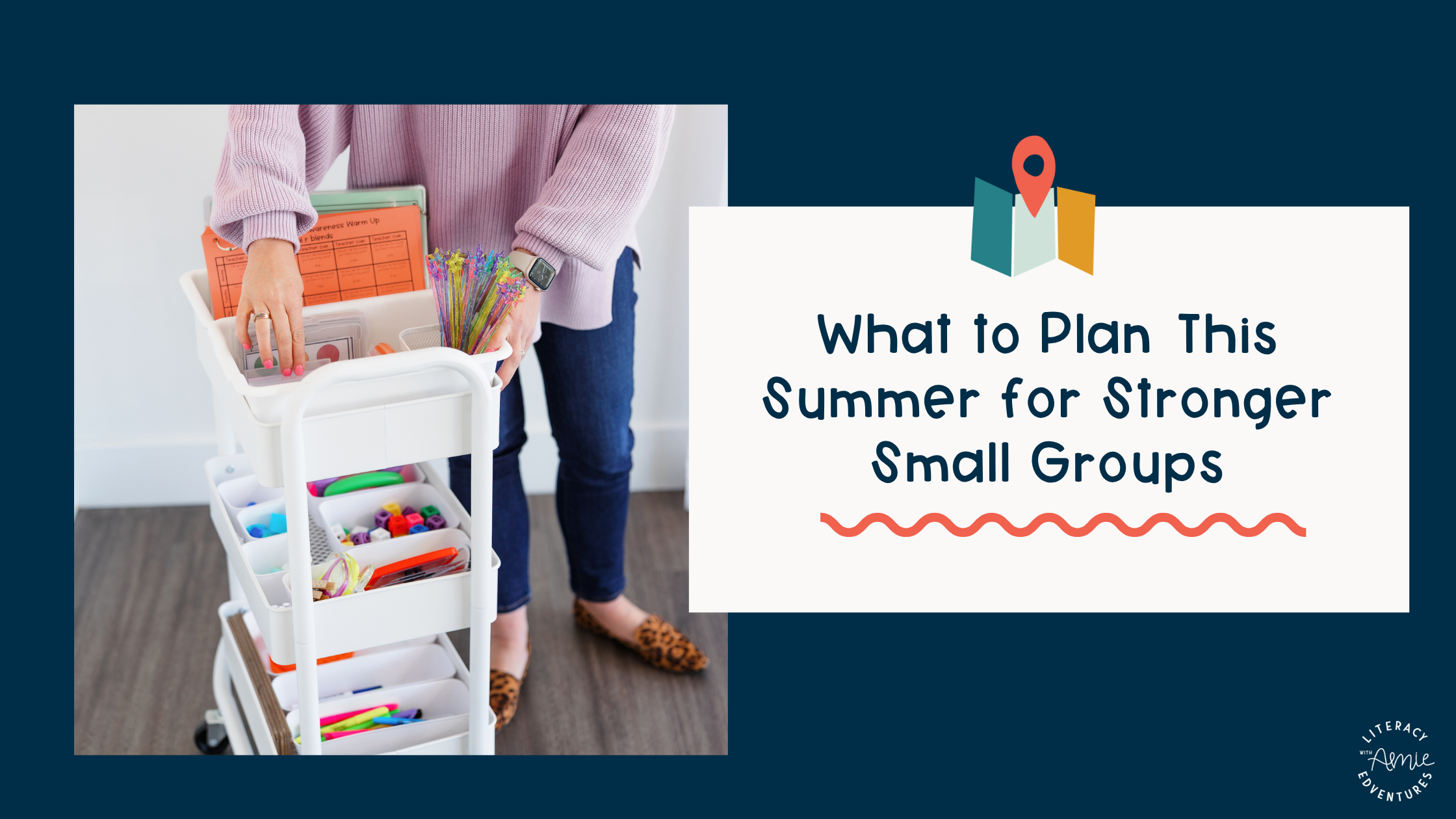
If small groups felt overwhelming this year, you are not alone.
I think so many of us finished the school year feeling like we were constantly trying to hold all the pieces together. The data. The planning. The intervention groups. The phonics lessons. The progress monitoring. The scheduling. The materials. The students who needed more support than we could possibly fit into twenty minutes at a table.
And honestly? I think summer is when all of that starts replaying in our heads.
You start thinking about:
the groups that worked beautifully
the students you still worry about
the routines that felt smooth
the moments that felt chaotic
and the things you want to tighten before next year begins.
For a long time, I thought stronger small groups meant:
more activities
more centers
more materials
more engagement
more EVERYTHING.
But over time, both in my own classroom and now coaching alongside teachers, I’ve realized something really important:
Most of us do not need more small-group activities.
We need stronger small-group systems.
Because strong small-group instruction is usually not built through complicated rotations or endless prep. It’s built through:
understanding readers clearly
grouping students intentionally
creating repeatable routines
aligning instruction
and building systems that actually work in real classrooms.
That realization is exactly what led me to create the Route2Reading Roadmap inside the Route2Reading Membership.
Not another collection of random activities.
A step-by-step system for helping teachers build stronger, more manageable, and more effective small-group instruction.
So if you’re planning ahead for next year, here are the exact areas I genuinely think are worth focusing on this summer.

1. Start by Understanding Your Readers
Before we can plan strong small groups, we have to understand the readers sitting in front of us clearly.
And honestly, I think this is where many of us were never really trained deeply enough. We were taught to collect data… but not always how to truly USE it to drive instruction.
One of the biggest shifts in the Route2Reading Roadmap is learning to examine assessment patterns and use them to make instructional decisions.
Not just:
“low group”
“middle group”
“high group”
But:
What phonics skills are students struggling with?
What skills are automatic?
Where is instruction breaking down?
What do students actually need next?
Because once we understand our readers more clearly, grouping and planning suddenly become much more intentional.
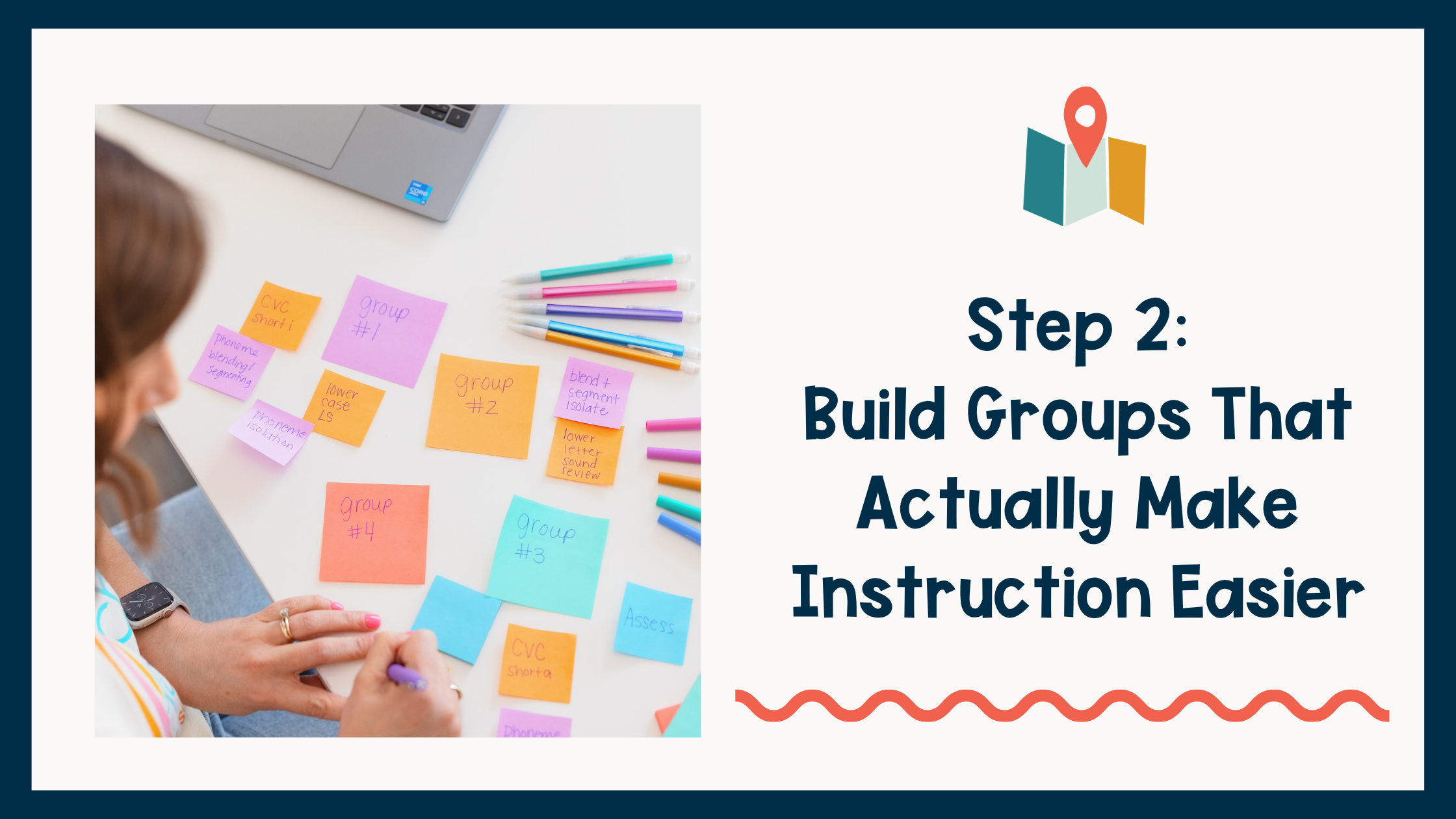
2. Build Groups That Actually Make Instruction Easier
I think many of us have experienced small groups that felt impossible to manage because the instructional needs inside the group were too far apart.
One student needed basic blending support.
Another needed fluency work.
Another needed multisyllabic decoding.
Another needed comprehension support.
And suddenly, the group feels scattered before instruction even starts.
That’s why one of the most powerful things we can do during the summer is think through how groups will actually be built next year.
Inside the Roadmap, this is where we begin building instructional roadmaps for groups instead of simply placing students together randomly or by broad reading level.
Because once groups become more skill-based and intentional, instruction becomes:
clearer
more focused
more targeted
and honestly… much less overwhelming.
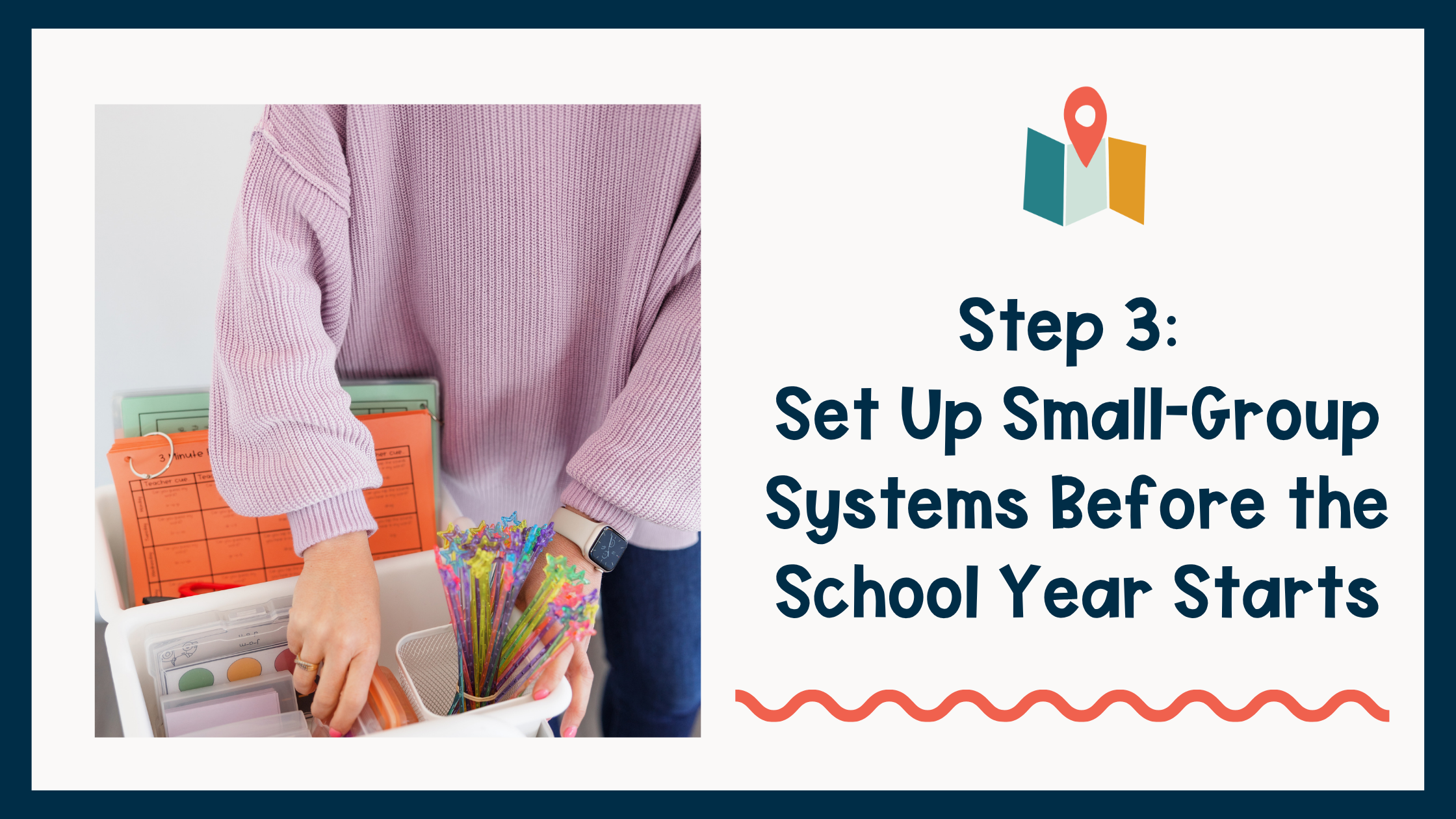
3. Set Up Small-Group Systems Before the School Year Starts
I think this is one of the biggest areas that reduces teacher overwhelm.
Not planning every lesson.
Not organizing fifty bins.
Setting up the systems around small groups.
What will transitions look like?
What routines will stay consistent?
What materials need to stay accessible?
What instructional language will students hear repeatedly?
Because when the systems are clear, small groups start running more smoothly for everyone.
Students know what to expect.
Teachers spend less time redirecting.
And instruction becomes much more manageable.
One of the biggest shifts for me personally was realizing I did not need to reinvent small groups every single week.
I needed a repeatable structure.
That changed everything.
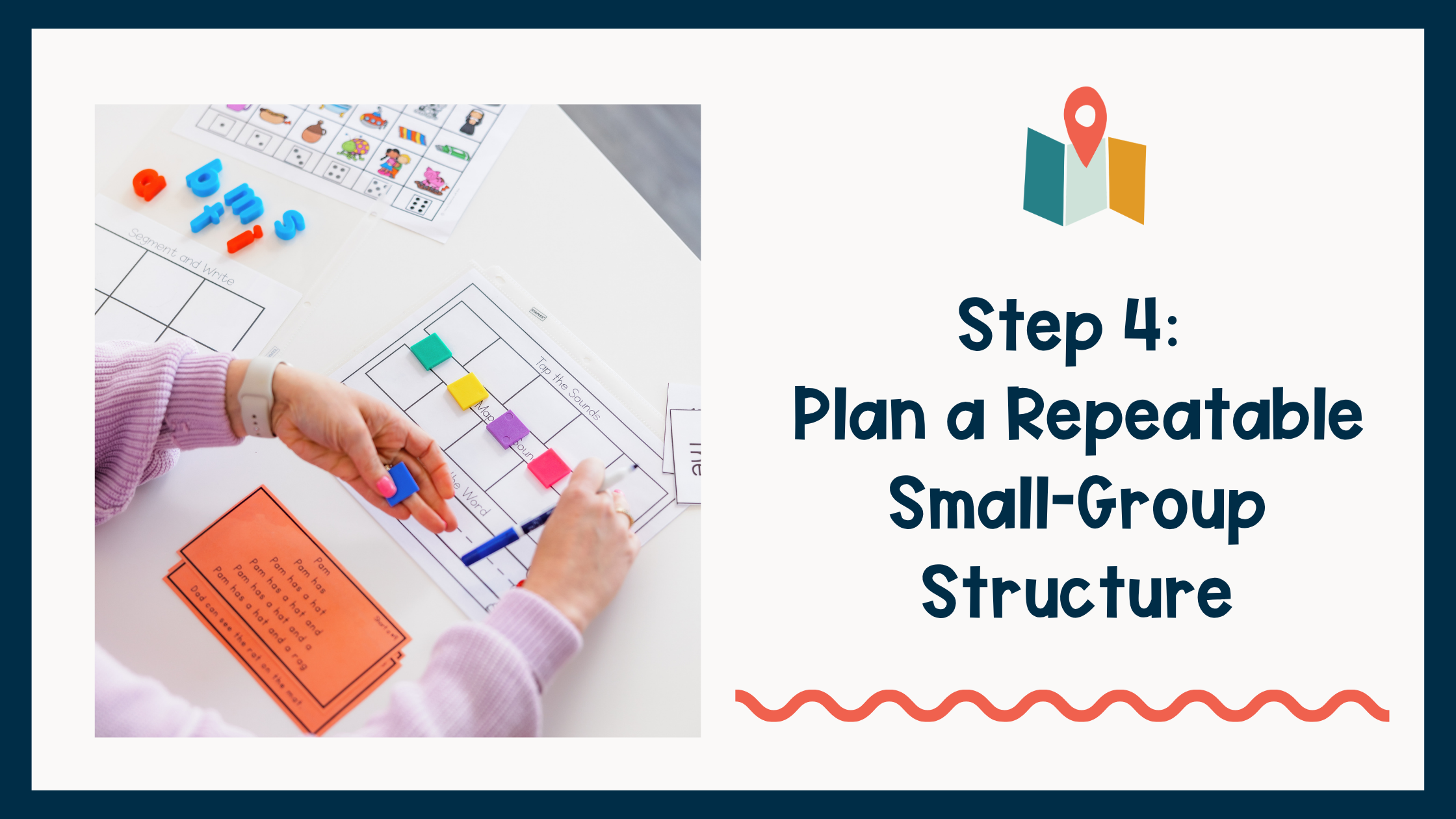
4. Plan a Repeatable Small-Group Structure
I think many of us feel pressure for small groups to look:
exciting
differentiated
engaging
and completely different every single day.
But struggling readers especially benefit from consistency.
Inside the Route2Reading Roadmap, we focus heavily on creating a repeatable instructional structure teachers can actually sustain long term.
Maybe the skill changes each day, but the instructional flow stays familiar:
warm-up
explicit teaching
reading practice
dictation.
Simple.
Clear.
Repeatable.
When students already understand how the group works, they can spend more energy focusing on the actual reading instead of trying to figure out expectations, directions, or materials.
And honestly?
That reduces overwhelm for us too.
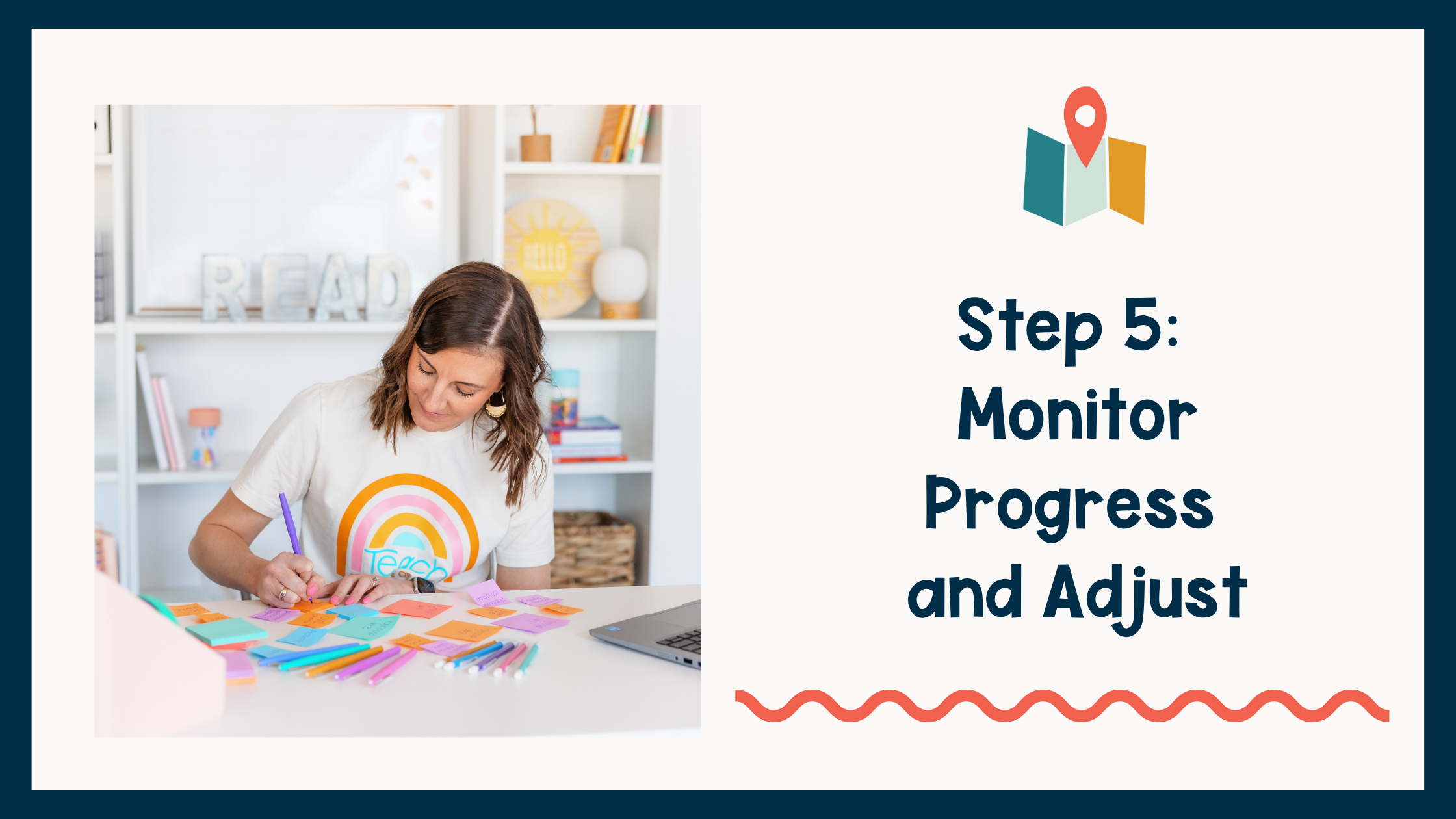
5. Think About How You’ll Monitor Progress and Adjust
Strong small groups are never really:
“set it and forget it.”
Students grow.
Needs change.
Groups shift.
One of the most important parts of strong small-group instruction is knowing:
when to move students
when to reteach
when to scaffold
and when students are ready for more independence.
And having a plan for that ahead of time makes the school year feel so much more manageable.
Because small groups stop feeling reactive. They start feeling intentional.
And that is the entire heart behind the Route2Reading Roadmap.
Not creating more work for teachers.
Not adding more disconnected literacy activities.
Not handing teachers one more random small-group idea and hoping it somehow solves the overwhelm.
Because strong small groups are not built through:
• endless prep
• complicated rotations
• constantly reinventing instruction
They are built through:
• intentional grouping
• aligned instruction
• repeatable routines
• strong phonics instruction
• progress monitoring
• systems that support both students and teachers
If you're spending this summer trying to figure out how to make small groups feel more effective, more manageable, and less overwhelming, I'd love to invite you to my free workshop:
The Route2Reading System: A Simple Framework for Grouping, Planning, and Small-Group Instruction
Inside this free training, I'll walk you through the exact framework I use to help teachers:
✔ Understand their data
✔ Create meaningful groups
✔ Plan instruction efficiently
✔ Build repeatable routines
✔ Create small-group systems that actually work
Most teachers don't need more literacy activities.
They need a system.