
A Fresh Start: How to Reset Your Literacy Block This January
January is one of the most powerful moments in the school year. Students return craving predictability, teachers return craving clarity, and the entire literacy block is ready for a gentle—but meaningful—reset.
The good news?
A reset doesn’t mean reinventing everything. In fact, the most effective changes in January are small, strategic, and deeply rooted in routines.
Let’s walk through how to refresh your literacy block in a way that feels doable, energizing, and instructionally sound.
Why January Gives You an Instructional Advantage
By this point in the year, you’re no longer making guesses. You know which students need more decoding practice, which ones are developing automaticity, and which ones still struggle to transfer phonics into connected text. You can spot the students who thrive on structure and the ones who still need support to stay engaged.
You also have months of lived reality with your curriculum. You know which parts work beautifully and which parts felt overwhelming in August, but now simply don’t fit the needs of your current learners.
This clarity is your advantage. Instead of hoping certain routines will work, you now know exactly where time slips away, where transitions get messy, and where engagement dips. With this, a refresh becomes both powerful and practical. Today, I am sharing six tips that might help you as you begin making some tweaks.
1. Revisit Your Daily Structure (and Simplify It)
If the fall felt chaotic or rushed, January is your chance to identify what wasn’t working and tighten it up.
The truth is:
Most literacy blocks don’t struggle because teachers lack skill—they struggle because there are too many pieces, too many demands, and too much curriculum competing for too little time.
A refreshed block starts with three questions:
What parts of my block are essential and non-negotiable?
What can I streamline, tighten, or remove?
Where am I losing the most time (transitions, materials, unclear directions)?
This is the moment to simplify. Students settle faster, instruction becomes smoother, and you regain minutes you didn’t know you were losing.
Want a Jumpstart?
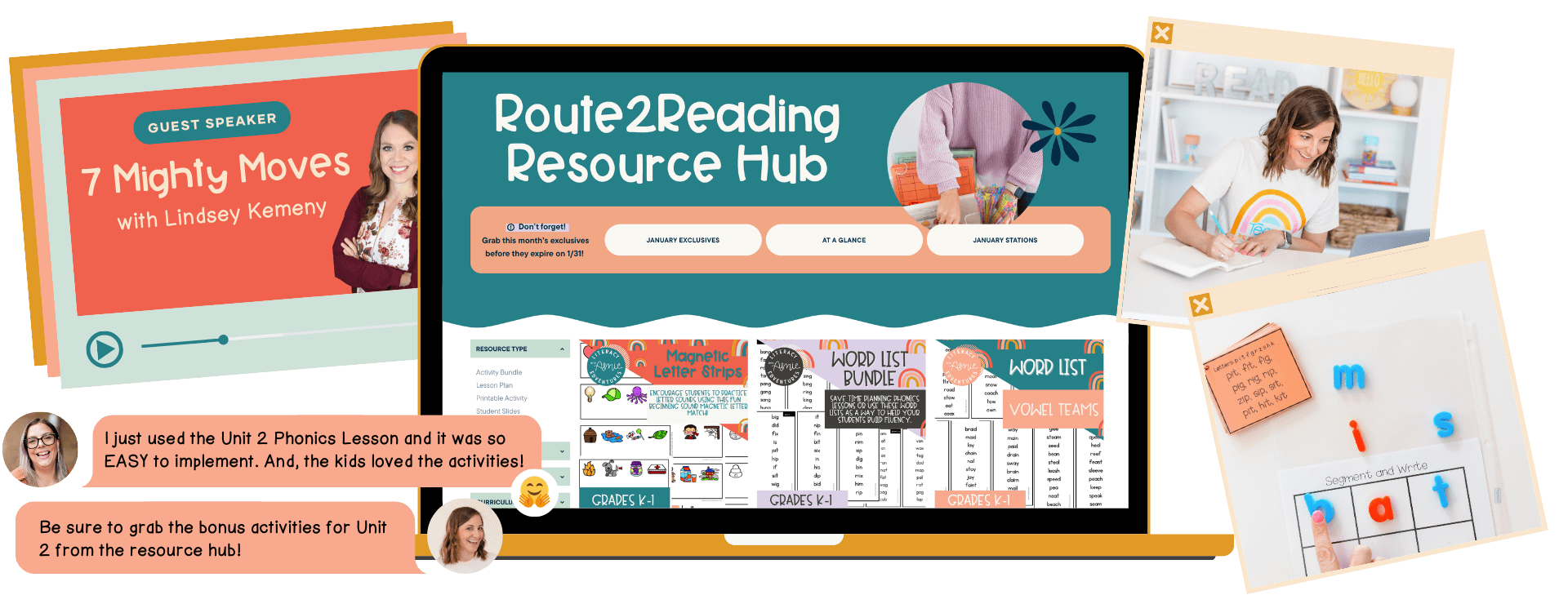
If you’re reading this and thinking, “I know what I want my literacy block to feel like… I just need a little help putting the pieces together,” that’s exactly why the Route2Reading Membership exists. January is the perfect moment to reset routines, strengthen pacing, and simplify your block — and the PD inside R2R was created to support that work.
Teachers inside the membership have access to sessions on:
structuring an effective literacy block
regrouping small groups using mid-year data
running high-impact small-group lessons
setting up literacy stations that actually work
These trainings pair beautifully with the practical steps in this post and help you take the ideas from “this makes sense” to “this actually works in my classroom.”
If you want your January reset to feel lighter and more supported, everything you need is waiting inside Route2Reading.
2. Tighten Transitions to Reclaim Time
You can gain 5–10 minutes a day simply by tightening up transitions.
Think things like:
How do students move from the carpet to the table?
How do they get whiteboards, markers, or notebooks?
How quickly do they transition from whole-group to small-group instruction?
How are materials stored, and where do they live?
Predictable routines not only make your block feel calmer—they also boost student confidence. When students know exactly what to do and how to do it, they spend their energy on learning rather than logistics.
A practical tip:
Teach, practice, and re-practice transitions the first week back. Even if it feels repetitive, it will save you hours over the next few months.
3. Strengthen Your Phonics Routine
January is the perfect time to look closely at your phonics lesson:
Are routines consistent from day to day?
Are you spending more time on logistics than on the actual lesson?
What things can you have at your fingertips to make thing smoother?
Students thrive when phonics follows a predictable rhythm. When we create a routine that is so automatic, all their cognitive energy goes toward reading, not figuring out “what comes next.”
Ask yourself:
Where can I simplify?
Where can I build in more student response?
Where do I need to reteach routines?
Need a quick start guide?
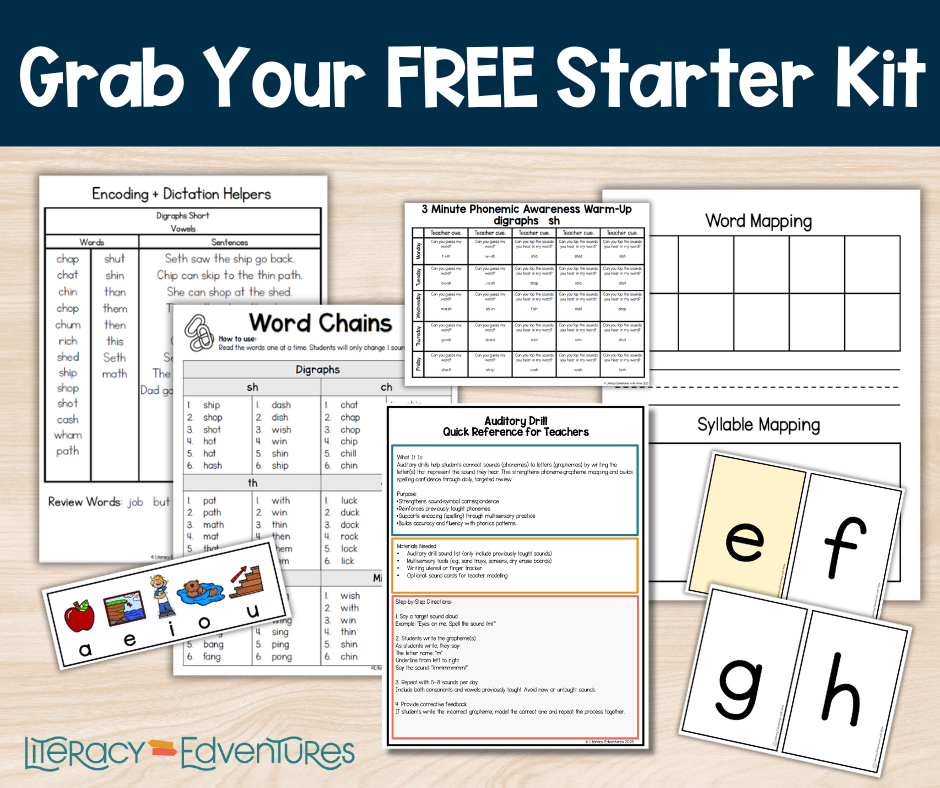
Free Resource: Small Group Reset Toolkit
You can download my free mini version of the Small Group Toolkit here.
It includes:
Teacher protocols
Print and use guides and lessons
Ready to go resources
4. Refresh Your Small Groups Using Mid-Year Data
This is the MOST important January reset.
Every student has grown since August. Some may have plateaued. Others leapt forward. Some need to move into different groups entirely.
A powerful regroup happens when you:
Look at phonics patterns, not just scores
Form groups based on what students need next
Prepare 1–2 clear routines per group
Keep centers simple so you can focus on instruction
If you’re feeling overwhelmed right now—you’re not alone. This is the moment teachers tell me they feel the most “stuck.” In Route2Reading, the month of January, I will be offering 1:1 coaching calls to walk teachers through this step-by-step using their data! Come join us!
5. Reintroduce Engagement (The Simple Kind)
Teachers often feel pressure to make learning more “fun” in January, especially after winter break. But real engagement doesn’t come from decorations, themes, or big activities—it comes from something much simpler and far more sustainable: frequent, intentional opportunities for students to respond.
When students are actively involved—saying sounds aloud, writing on whiteboards, tracking print, or turning and talking—they stay connected to the learning and far less likely to drift off task. These small moments of participation help strengthen attention, reinforce skills, and build confidence.
Some of the most effective (and low-prep) ways to increase student response include:
quick oral responses
choral or partner reading
whiteboard writing during phonics or word work
turn-and-talk moments during comprehension
physical responses like pointing, tracking, or signaling answers
If you want a deeper dive into how this works in practice, you can read my full Opportunities to Respond blog post [here]—it breaks down why OTRs matter, how to structure them, and how they dramatically improve engagement across the entire literacy block.
When you intentionally build these moments into your lessons, everything feels smoother: pacing improves, behavior decreases, and students experience more success—which naturally leads to more motivation.
6. Refresh Your Routines, Not Your Whole Block
The biggest myth about January is that teachers need to redo everything.
Nope.
You simply need to:
reinforce routines
tighten pacing
reset expectations
clarify the flow of your block
ensure every minute has a purpose
When routines are predictable, students feel safe, confident, and ready to learn. And you feel calmer, clearer, and less rushed.
Ready for the Next Step?
January is the BEST month to simplify your literacy block—and you don’t have to do it alone.
Here’s what I recommend:
👉 Download the Free Small Group Reset Toolkit (a perfect January jumpstart)
👉 Join the Route2Reading Membership if you want the full toolkit + monthly support, phonics lessons, decodables, routines, and real classroom videos to help you feel confident all year long.
Your future self (and your students!) will thank you for giving your literacy block a reset.