Alphabet Instruction: A Simple Framework for Teaching Letter Sounds
One of the biggest misconceptions about teaching the alphabet is that children need a new "letter of the day."
They don't.
In fact, if we want students to build a strong foundation for reading, they need repeated exposure to letter names and sounds—not isolated practice with one letter every few weeks.
That's why I love teaching the alphabet using an explicit, systematic approach—and I like to call it an Alphabet Boot Camp because it's so much more than traditional alphabet instruction.
It's a simple, streamlined framework that helps you teach letter names and sounds explicitly while cycling through the alphabet multiple times throughout the school year. Better yet, you can easily use my Alphabet Curriculum Resources with this framework because the lesson stays the same each week—you simply switch out the target letters.
The Alphabet Framework
Rather than teaching one letter each day, I've created a simple framework that I call an Alphabet Boot Camp. The goal is to teach letter names and sounds explicitly and systematically while giving students the repeated practice they need to build a strong reading foundation.
The framework follows a six-week cycle where students learn five new letters each week while continually reviewing previously taught letters. On Monday, all five target letters are introduced. Then, throughout the rest of the week, students spend time explicitly practicing one or two of those letters each day while continually reviewing all five.
By the second week, students are reviewing the first five letters while learning five new ones. By the end of just two weeks, they've already been exposed to ten letters—and they're practicing those letter names and sounds every single day through cumulative review.
One of the biggest benefits of this framework is that it allows you to cycle through the alphabet multiple times throughout the school year. Research suggests that kindergarten students benefit from repeated cycles of alphabet instruction, ideally three to four times each year. Because the lesson structure stays the same and only the target letters change, this framework makes repeated practice easy to implement without creating extra planning for teachers.
Week 1: Introduce Five Letters
I like to begin with a set of highly useful letters that allow students to begin reading simple words quickly.
A sequence like:
M
A
S
T
B
works beautifully because students can already begin blending words like:
mat
sat
bat
Sam
Right away, students see that letters help us read real words.
I also recommend introducing continuous sounds first whenever possible because they are easier for beginning readers to stretch and blend together.
Monday: Introduce All Five Letters
I love making Monday exciting.
I tell my kindergarteners, "Today we're starting our Alphabet Boot Camp! We're learning the foundation for reading. Every great reader starts by learning letter names and letter sounds!"
They immediately get excited because it feels special.
We begin with a quick 2-3 minute phonemic awareness warm-up. With my phonemic awareness warm-up I am always tying in the letters we are working on or reviewing.
Nothing complicated.
We might orally blend or segment simple words like:
mat
sat
Sam
The goal is simply getting their ears ready before we ever introduce print.
Explicit Letter Instruction
After our phonemic awareness warm-up, we begin introducing each letter.
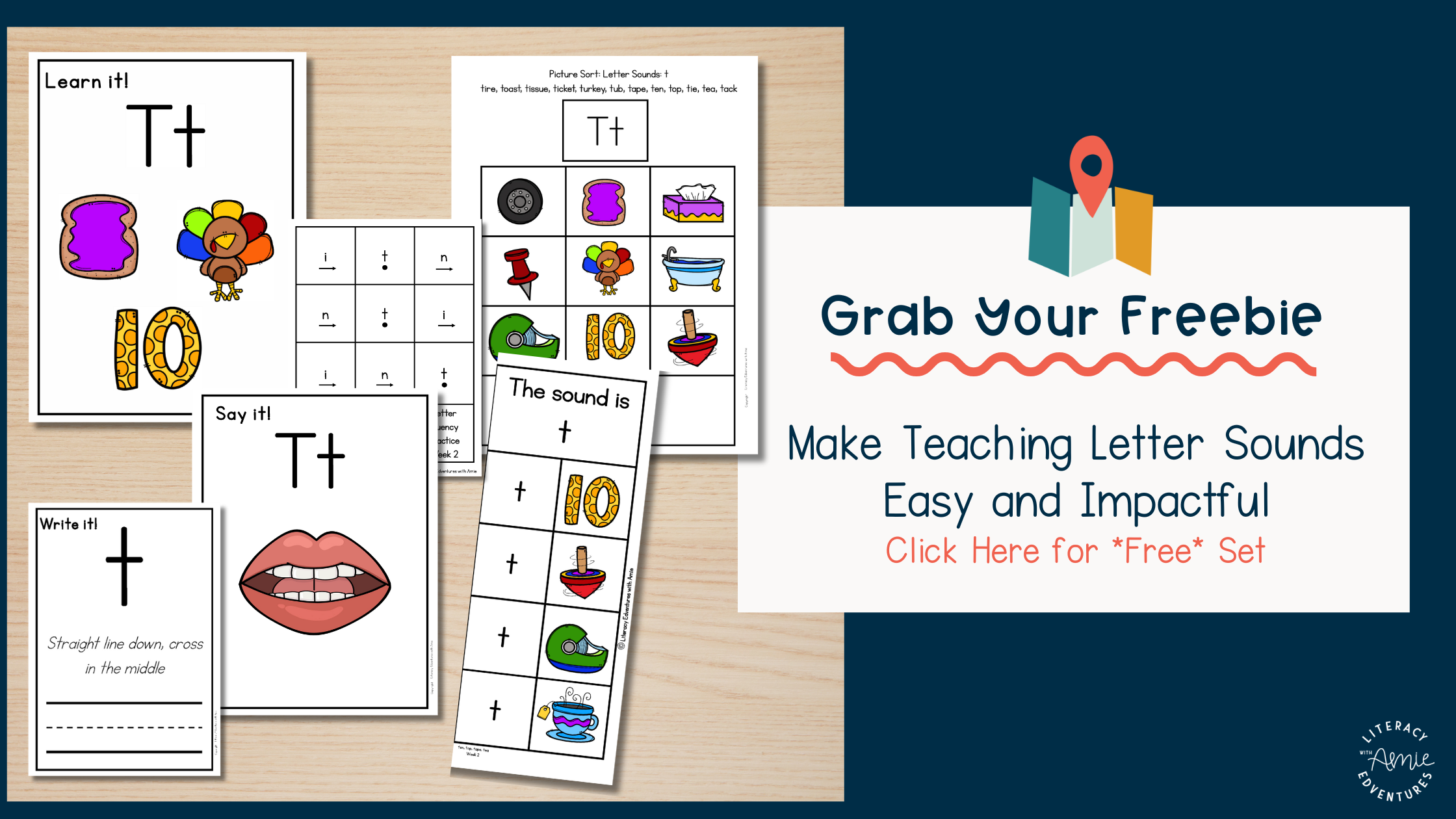
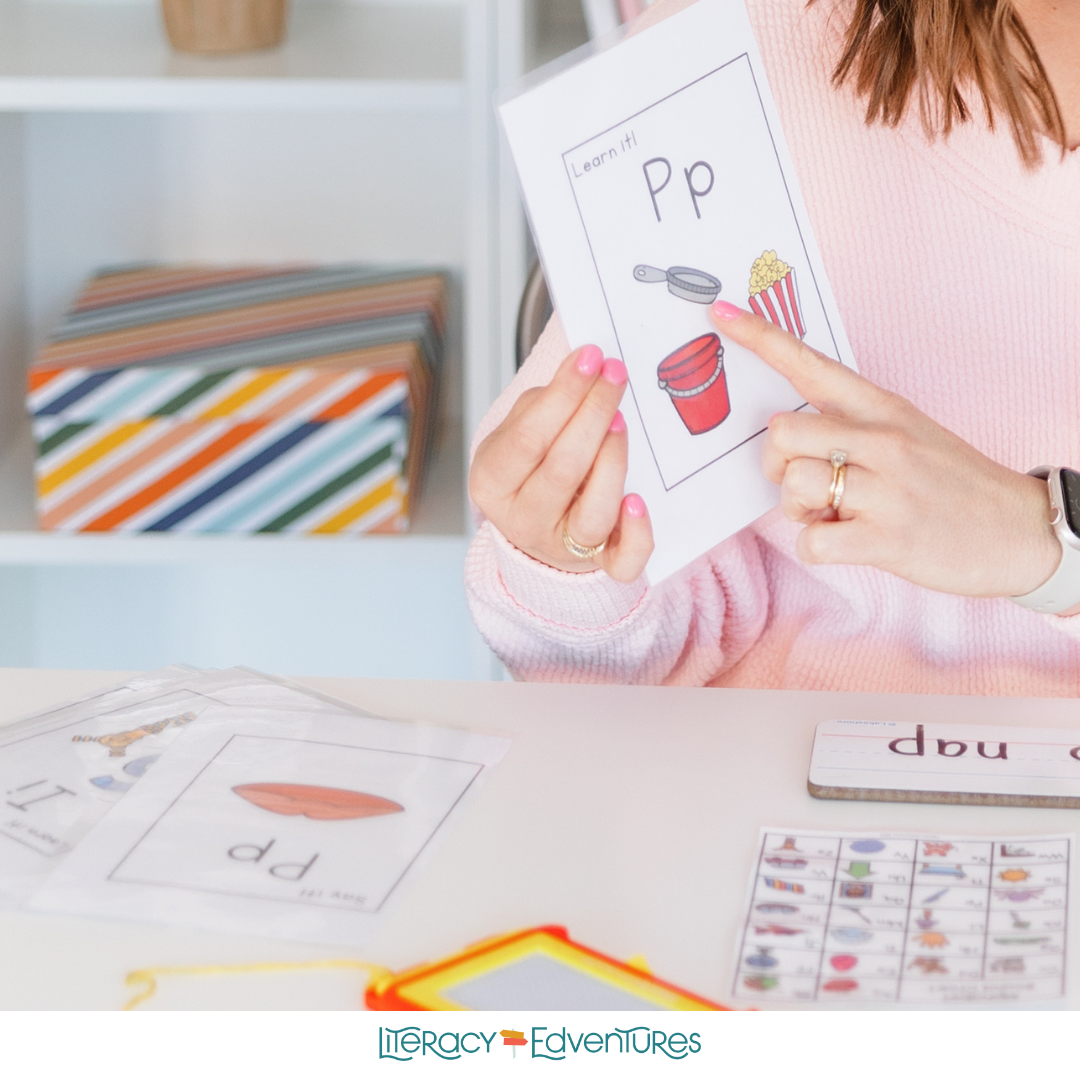
I use the Alphabet Cards from my curriculum because each card includes:
the uppercase and lowercase letter
picture cues
beginning sound images
For example, when introducing S, I might say:
"This is the letter S. Everyone say S."
"The letter S says /s/ like a snake."
Then I immediately model the sound while exaggerating my mouth formation.
Students repeat the sound while watching my mouth. Sometimes I'll hold up my mouth formation cards. Sometimes I'll hand out mirrors so students can check that their mouths match mine.
Correct mouth formation matters because students need to produce the sounds accurately from the very beginning.
I also love adding a movement. For S, we make a snake motion with our hand while saying /ssssss/. The movement gives students another way to remember the sound.
Next, we look at the three pictures on the Alphabet Card.
"What sound do you hear at the beginning of sand?"
"/s/!"
"Great! Which letter says /s/?"
"The letter S!"
Throughout the lesson, students are doing just as much talking as I am.
They're saying the sounds.
They're answering questions.
They're turning to partners.
They're practicing together.
The more opportunities they have to respond, the stronger those letter-sound connections become.
Tuesday Through Friday: Review and Practice
Each day starts exactly the same way.
Step 1: Phonemic Awareness Warm-Up (2-3 minutes)
Continue practicing oral blending and segmenting using the sounds students are learning.
Keep it quick.
Keep it fun.
Step 2: Cumulative Review
Review every letter introduced that week.
Name.
Sound.
Motion.
Picture cue.
Repeat.
This review only takes a few minutes but makes a huge difference.
Step 3: Explicit Teaching
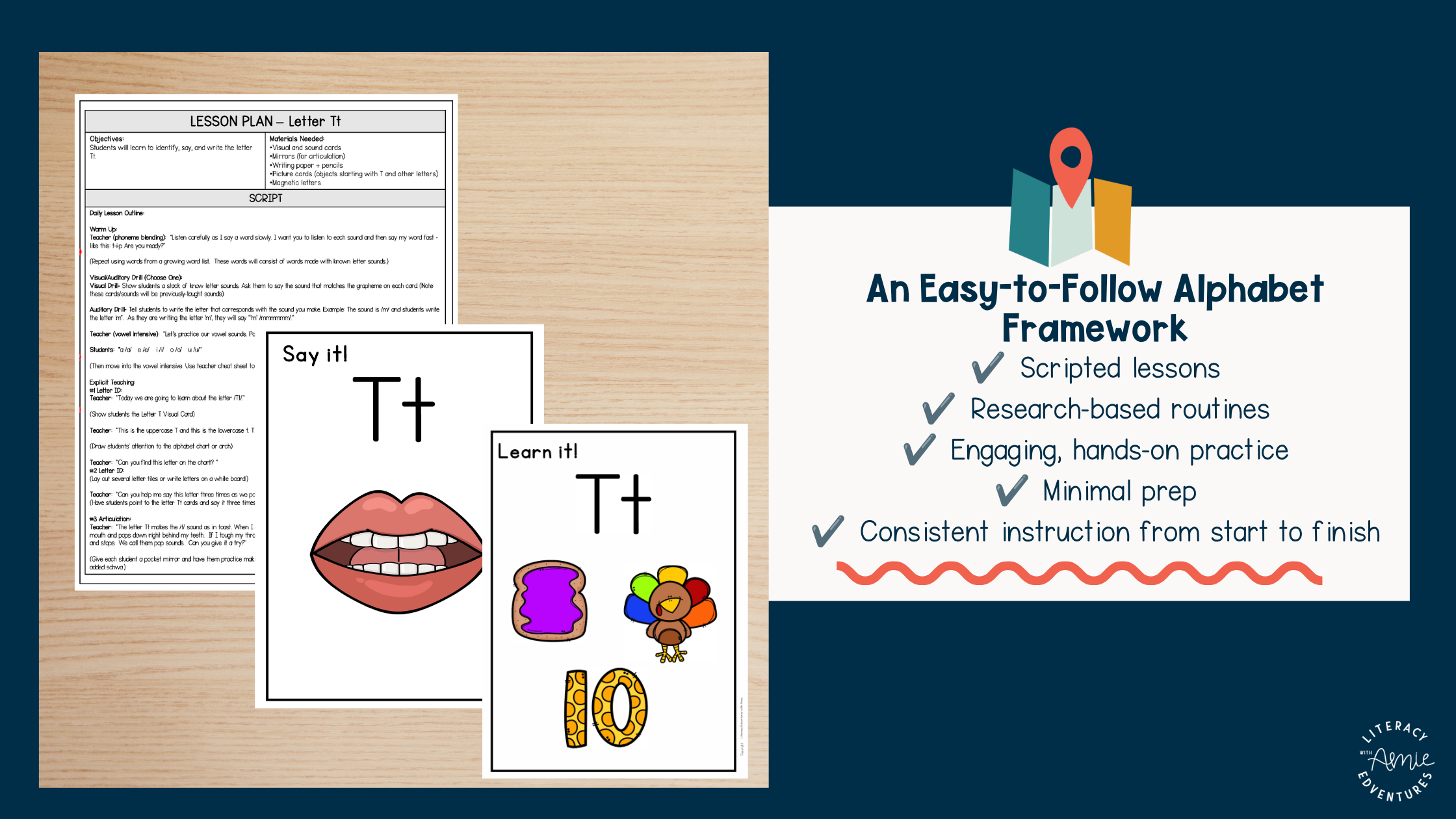
After your phonemic awareness warm-up and cumulative review, it's time for explicit instruction. This is where you'll spend a little more time teaching one or two of the week's target letters. This is where my Alphabet Resources make planning incredibly simple. While the letters change throughout the year, the routine stays the same. That consistency helps students know exactly what to expect and allows them to focus their energy on learning the new letter rather than a new routine.
When introducing a new letter, I follow the same sequence every time.
First, introduce the letter using a picture. For example, if we're learning the letter M, I might hold up a picture of a mouse and say, "Mmmmouse. What sound do you hear at the beginning of mouse?" I love connecting the picture to a simple phrase like, "Mindy the Mouse makes muffins." This gives students another meaningful connection to the sound.
Next, introduce the uppercase and lowercase letter. Hold up the letter card and point to each letter as you say, "This is the letter M." Have students repeat the letter name several times while pointing to both the uppercase and lowercase forms. The goal is for students to quickly recognize that both symbols represent the same letter.
Then, explicitly teach the sound the letter represents. Model the sound clearly while exaggerating your mouth movements. For example, "This is the letter M, and it says /m/. Watch what my lips do when I make the sound." Talk about where students' lips, tongue, and teeth should be positioned as they produce the sound. If you have mirrors available, have students watch themselves make the sound and compare their mouth formation to yours. You can even have them place a hand on their throat to notice whether their vocal cords are vibrating or pay attention to what their tongue is doing as they say the sound.
Finally, give students multiple opportunities to practice saying the sound. Add a simple hand motion or gesture if you'd like, turn and talk with a partner, or ask students to identify pictures that begin with that sound. The goal is for every student to hear the sound, see the letter, feel how it's produced, and say it correctly several times before moving on.
This entire routine only takes a few minutes, but it provides the explicit instruction students need before moving into meaningful practice and application.
Again, we're constantly connecting:
letter → sound → picture → mouth movement.
Everything is reinforcing the same concept.
Step 4: Application
This is where learning begins to stick.
After explicitly teaching the letter names and sounds, students need opportunities to apply what they've learned. The application piece is where students practice identifying letter names, producing letter sounds, and forming the letters through meaningful, hands-on activities. The more varied the practice, the stronger those letter-sound connections become.
One of my favorite application activities is a Sound Sort. Place several target letters across the top of a table or pocket chart—for example, B, M, R, and S. Then give students picture cards to sort under the correct letter. As they pick up each picture, encourage them to say the word slowly: "This is a /b/ /b/ ball. What sound do you hear at the beginning?"Students identify the initial sound before placing the picture under the matching letter. This simple activity reinforces phonemic awareness while strengthening letter-sound correspondence.
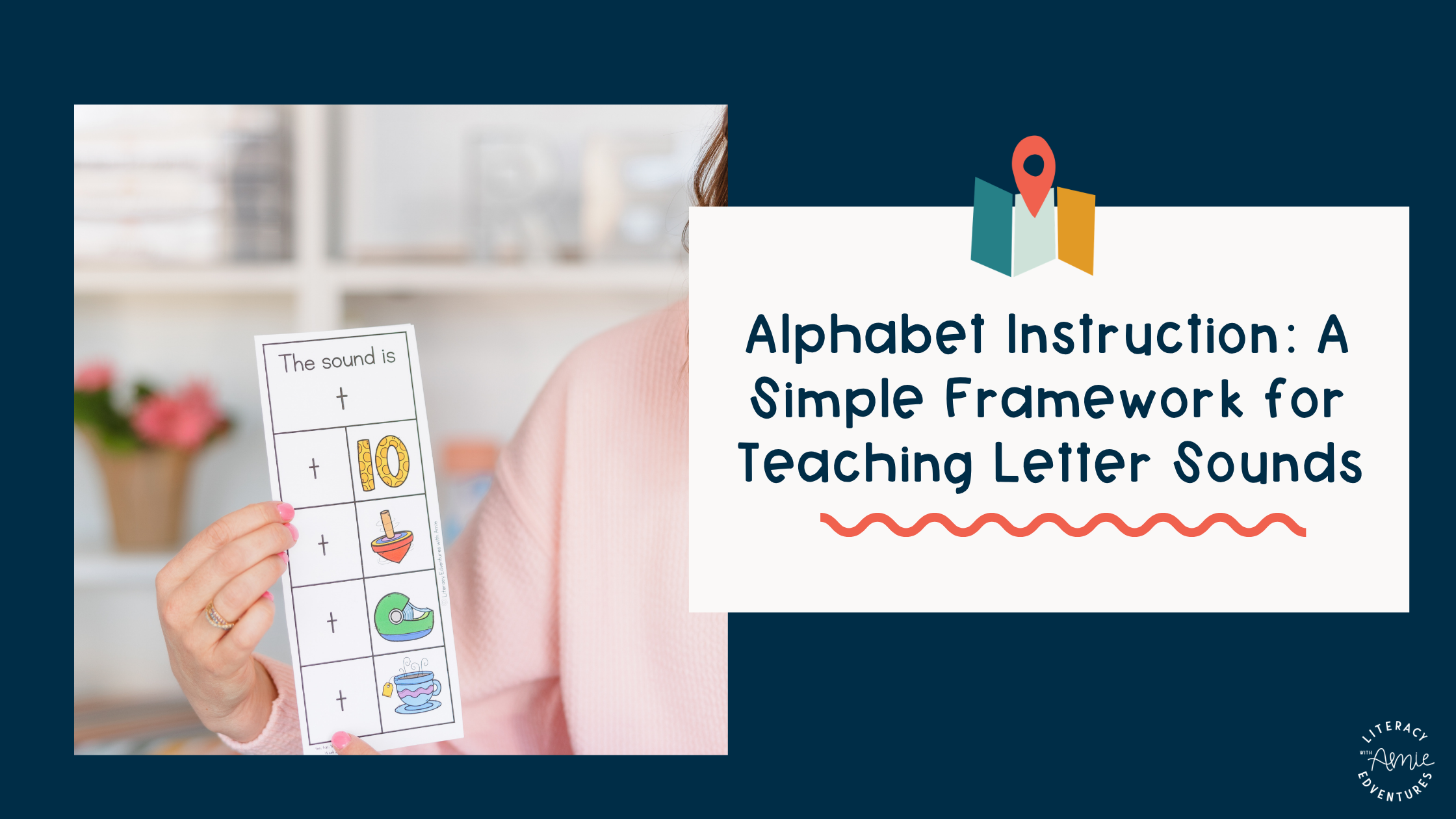
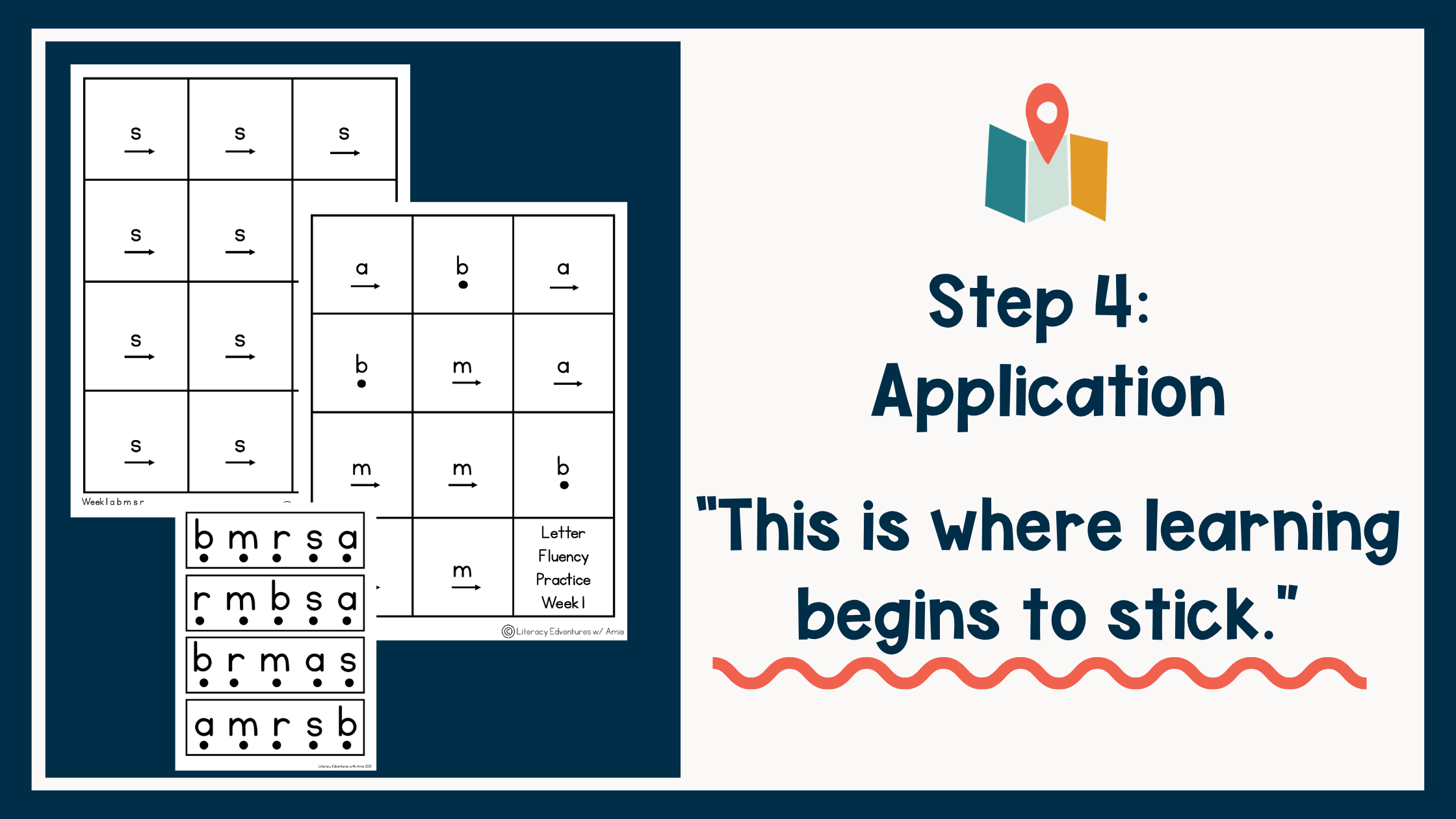
Another great option is letter fluency practice. Students practice reading letter sounds from left to right using fluency strips or my Letter Fluency Pages. As they tap each letter with their finger, they say the corresponding sound aloud. For example, they might read across a strip saying, "/b/, /m/, /r/, /s/." This repeated practice helps students develop automaticity with letter-sound recognition.
You can also use picture fluency strips. Instead of letters, the strip contains pictures such as a butterfly, mouse, rainbow, and sun. Students identify the beginning sound of each picture and place the correct magnetic letter beside it. This activity strengthens the connection between spoken sounds and printed letters while keeping students actively engaged.
My Letter Fluency Pages are another simple way to build automaticity. Some pages focus on a single target sound, while others include multiple previously taught sounds for cumulative review. Students tap each letter as they read across the page, saying the sound aloud. This gives them repeated, purposeful practice with letter identification and sound production in just a few minutes.
The goal during this application step isn't to introduce anything new. It's to provide lots of meaningful opportunities for students to practice the same skills in different ways. As students repeatedly see the letter, say the sound, identify pictures that match the sound, and practice forming the letter, those connections become stronger and more automatic. That's where real learning happens.
Keep Bringing Back Previous Letters
The magic of an Alphabet Boot Camp is the cumulative review.
Week 2 doesn't replace Week 1.
Instead, students review the original five letters while adding five more.
Week 3 adds another five.
Before long, students have been exposed to a large portion of the alphabet multiple times without feeling overwhelmed.
That's exactly what struggling learners need—lots of successful practice.
Make Practice Feel Like a Game
Alphabet practice should never feel boring. The more fun you make it, the more engaged your students will be—and the more opportunities they'll have to practice important skills without even realizing they're learning.
One of my favorite whole-class games is incredibly simple. I write the week's uppercase and lowercase letters all over the whiteboard, and students identify the letters and sounds as quickly as they can. If someone gets stuck, I'll smile and ask, "Do you need to phone a friend?" Students pretend to pick up a phone and call on a classmate for help. Not only does this keep the activity engaging, but it also encourages students to learn from one another instead of relying solely on the teacher.
Another favorite activity uses my Picture Sound Sort Cards. I hold one of the picture cards above my head so I can't see it, but my students can. Their job is to segment the word by saying each sound aloud—for example, /p/…/i/…/g/. I listen to the segmented sounds and try to guess the picture. Students love trying to stump me, and they don't even realize they're getting valuable phonemic awareness practice while segmenting words and identifying beginning sounds.
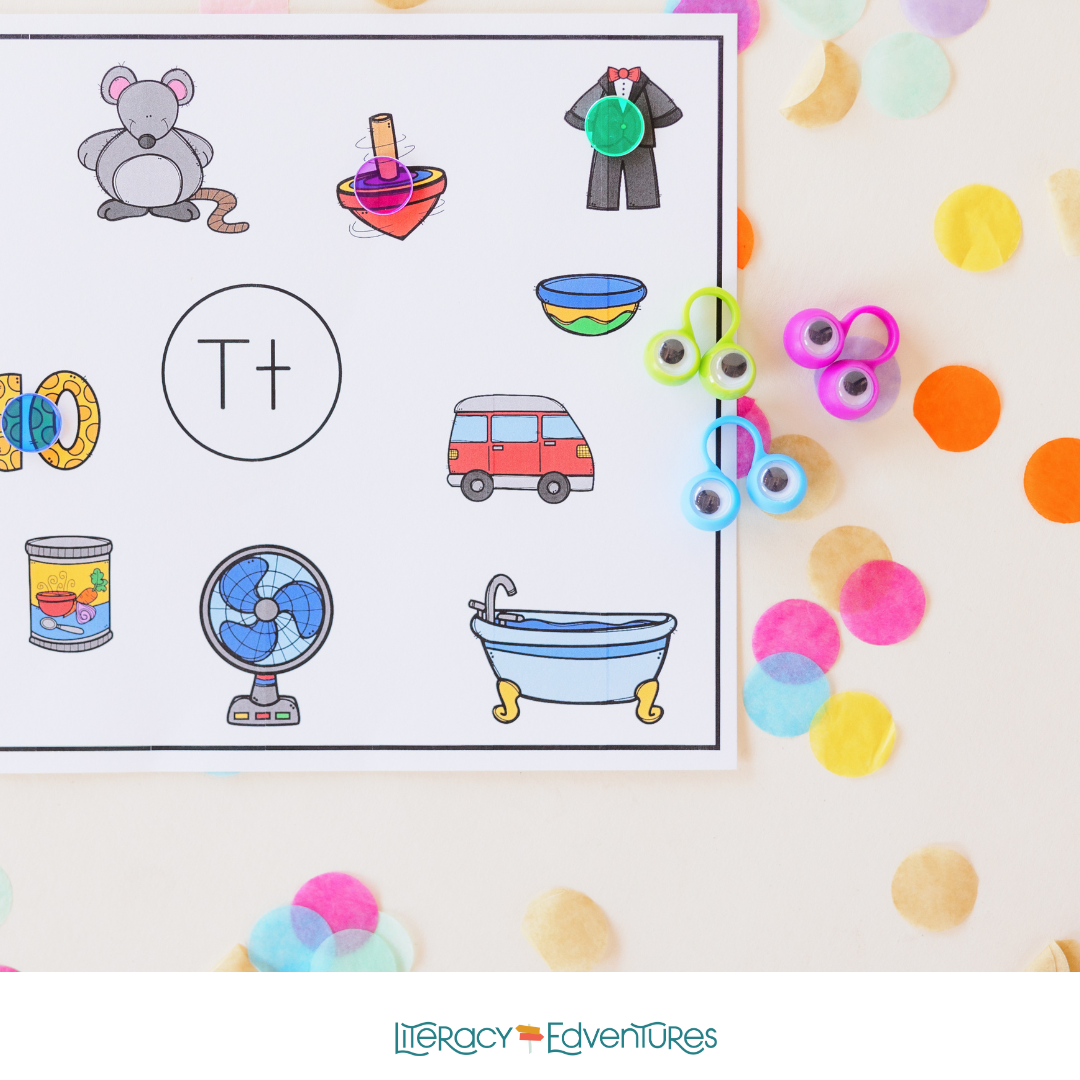
Another easy game that gets lots of repetition is my Spin, Say It, Cover It, Write It activity. Students spin a spinner with the week's target letter sounds. If they land on M, for example, they say, "M says /m/," then find and cover the pictures that begin with the /m/ sound. Finally, they write the letter while saying the sound again. In one quick activity, students are connecting the letter name, letter sound, picture cue, and letter formation—all while having fun.
The best part is that none of these games require complicated prep or elaborate materials. They're simple routines that you can use again and again by simply changing the target letters each week. That consistency helps students build confidence while giving them the repeated practice they need to master their letter names and sounds.
Bring Phonemic Awareness Into Everything
One thing I love about this framework is that phonemic awareness isn't taught in isolation.
It naturally connects to every activity.
When using the Sound Sort cards, I'll hold up a picture and ask:
"What is this?"
"A pig."
"What sound do you hear first?"
"/p/."
Students are constantly practicing listening for beginning sounds while building vocabulary and oral language.
Everything works together to strengthen the reading foundation.
What About Students Who Need More Practice?
Not every student will master all of their letter names and sounds after one six-week cycle. That's okay.
That's exactly why we cycle through the alphabet multiple times.
Your first cycle may be whole-group instruction.
Your second cycle might include small groups for students who need additional support.
Because the routine stays the same, students already know what to expect. You're simply giving them more opportunities to strengthen the skills they haven't mastered yet.
Repeating alphabet instruction never hurts kindergarten students.
More practice simply builds stronger readers.
Key Takeaways:
Anyone can do an alphabet bootcamp
Introduce letter names and sounds together.
Teach five to six letters each week instead of one letter each day.
Cycle through the alphabet 3-4 times throughout the school year.
Always use cumulative review so previously learned letters stay fresh.
Model and correct mouth formation from the very beginning.
Use mirrors so students can watch themselves produce the sounds correctly.
Practice correct letter formation while saying the letter sound.
Connect alphabet instruction with phonemic awareness every day.
Avoid teaching visually similar letters (such as b/d or p/q) in the same week.
Frequently progress monitor letter names and sounds to identify students who need additional support.
Most importantly—make it fun!
Final Thoughts
Alphabet instruction doesn't have to be complicated.
When you use a simple, consistent framework, students know what to expect, teachers spend less time planning, and every activity reinforces the same foundational skills.
That's exactly why I love an Alphabet Boot Camp.
The lesson structure stays the same.
The only thing that changes each week is the set of target letters.
Simple for you. Exciting for your students. And an incredibly effective way to build the strong alphabet knowledge every beginning reader needs.