Opportunities to Respond in Phonics: How to Keep Every Student Engaged
We want phonics instruction to be explicit, systematic, and engaging. But engaging doesn't mean we need a new game or activity every day.
Sometimes the simplest way to increase engagement is to ask one question:
How often are ALL of my students responding?
This is where Opportunities to Respond, or OTRs, can make a big difference in our phonics instruction.
What Are Opportunities to Respond?
Opportunities to Respond are simply the opportunities students have to actively respond during instruction. Students might say a sound, blend a word, write a grapheme, segment a word, read a sentence, or show an answer. The important part is that all students are responding—not just the student we call on. For example, imagine I show students the grapheme sh and ask:
"Who can tell me what sound this makes?"
Several students raise their hands. I call on one student; she says /sh/, and we move on.
Now compare that to:
"What sound? Everyone..."
/sh/
That small shift turns one student's practice into an opportunity for the entire class to retrieve and produce the sound.
Example of opportunities to respond during a whole group phonics lesson
Why OTRs Matter During Phonics Instruction
Students need lots of practice connecting sounds and print. Opportunities to respond allow us to build that practice directly into our instruction without adding more activities—or more time—to the lesson.
But OTRs aren't only about student engagement.
They also give us immediate information about learning.
When every student says the sound, I can listen. When every student writes the grapheme, I can look. When every student blends the word, I can hear whether they are applying the skill accurately.
Then I can decide whether to move forward, provide another example, or reteach.
That cycle—teach, respond, monitor, give feedback—is an important part of explicit instruction.
How Phonics Slides Can Support OTRs
This is one reason I love using a consistent slide routine during phonics instruction.
A good phonics slide shouldn't just show students information. It should prompt students to DO something with that information.
During a phonics lesson, students might:
See a grapheme and say the sound
Hear a phoneme and write the grapheme
See a word and blend it
Hear a word and segment it
Map the sounds to letters
Read words and sentences
Hear a word and spell it
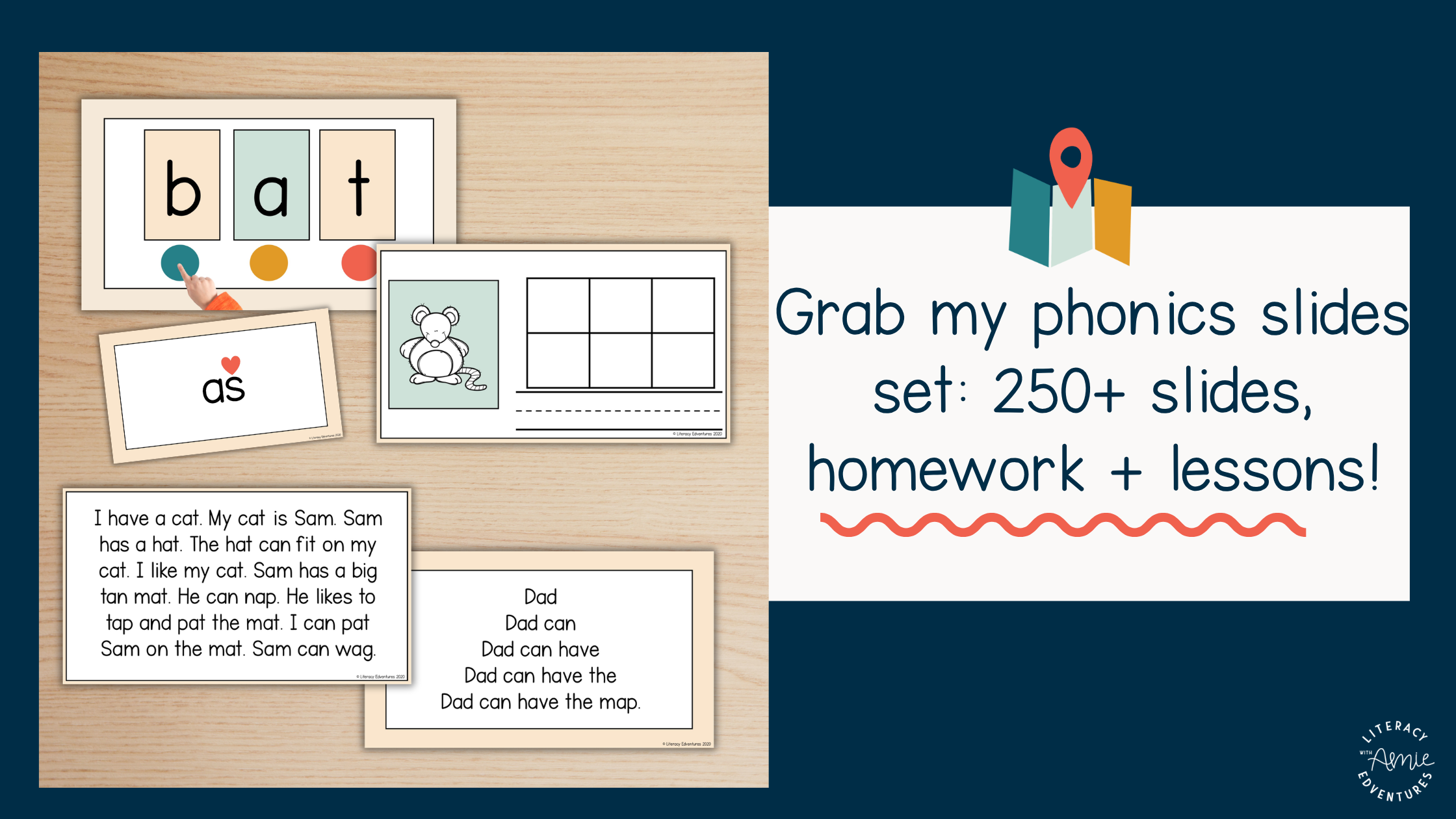
In my whole-group phonics routine, students move through visual and auditory drills, blending, word mapping, high-frequency word practice, sentence reading, and dictation.
The slides aren't the instruction. They create a predictable structure for explicit instruction and student response.
Consistent Phonics Routines Increase Practice
We sometimes assume engagement means doing something different every day.
It doesn't.
A consistent phonics routine means students spend less time figuring out how to participate and more time practicing what we're teaching.
If students know that seeing a grapheme means saying the sound, hearing a phoneme means writing the grapheme, and seeing a word means preparing to blend, we don't have to continually stop and explain directions.
The routine stays consistent. The phonics skill changes.
And because the routine is familiar, we can keep the lesson moving and create more opportunities for students to respond.
OTRs Should Move Students Toward Independence
More responses aren't automatically better. We also need to think about what we're asking students to do with each response.
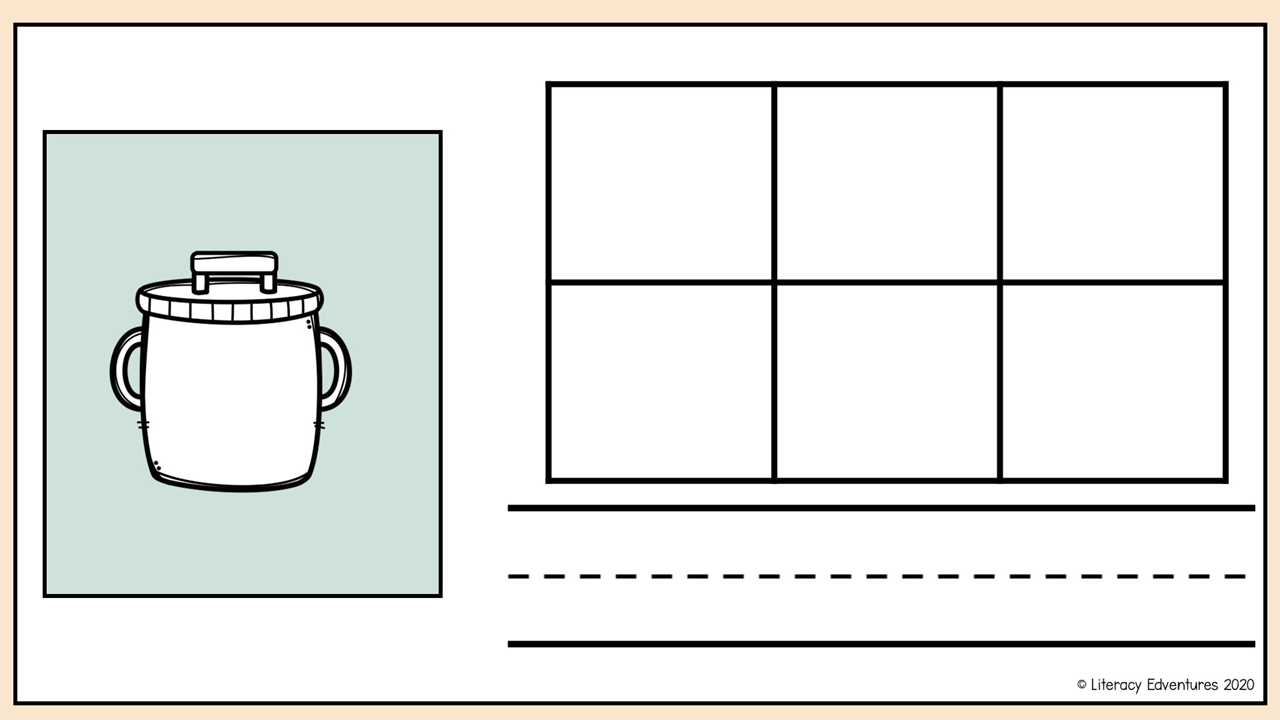
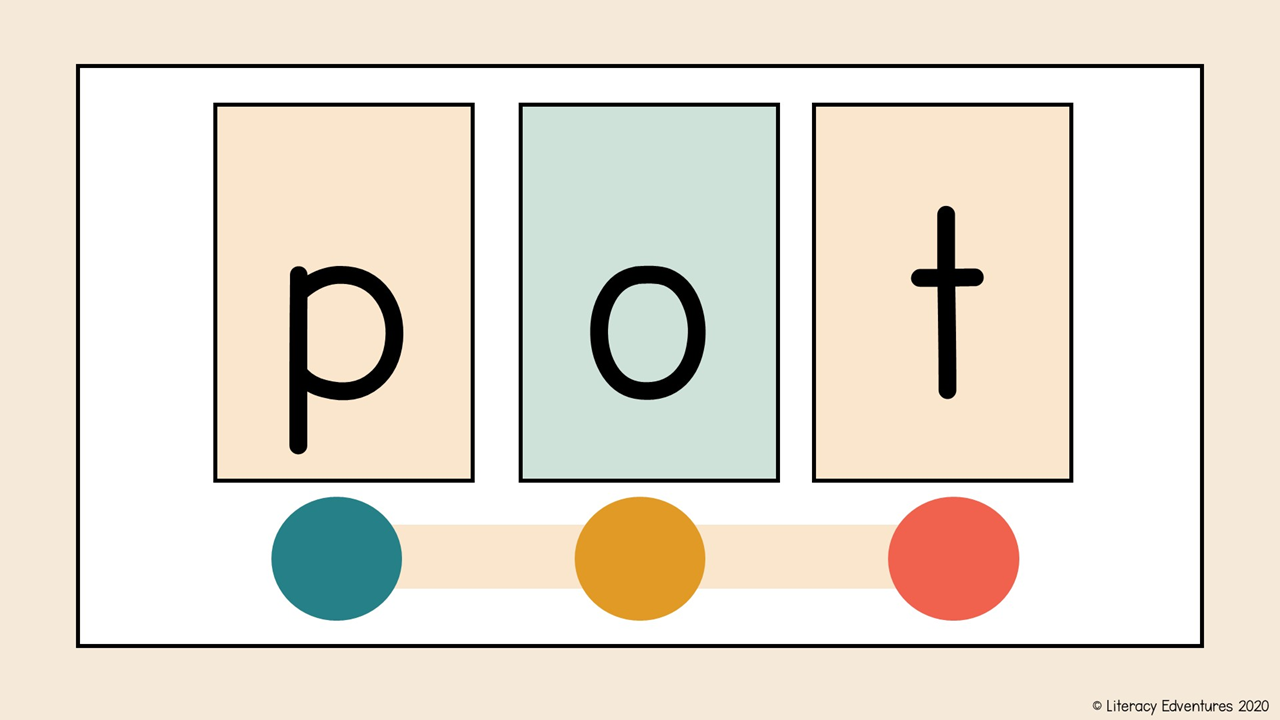
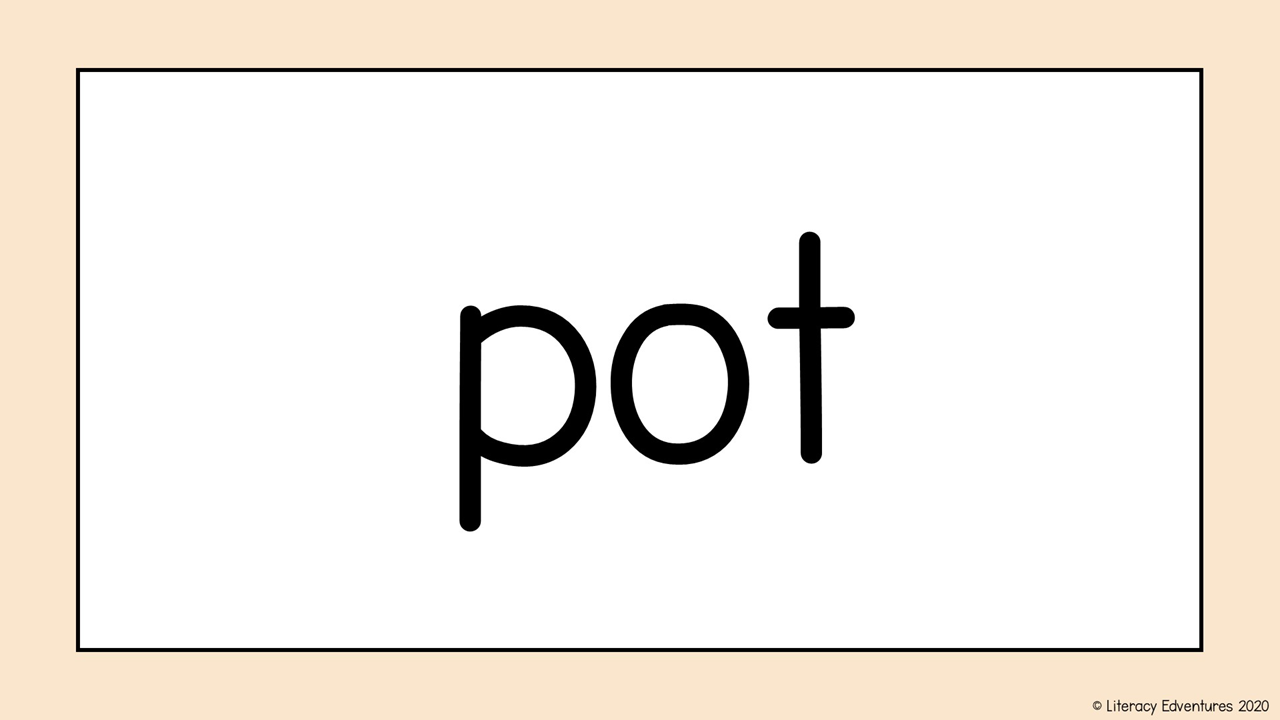
For example, I might introduce the word pot with scaffolded blending support.
Students blend pot.
Later, they see pot again without the scaffold and read it independently.
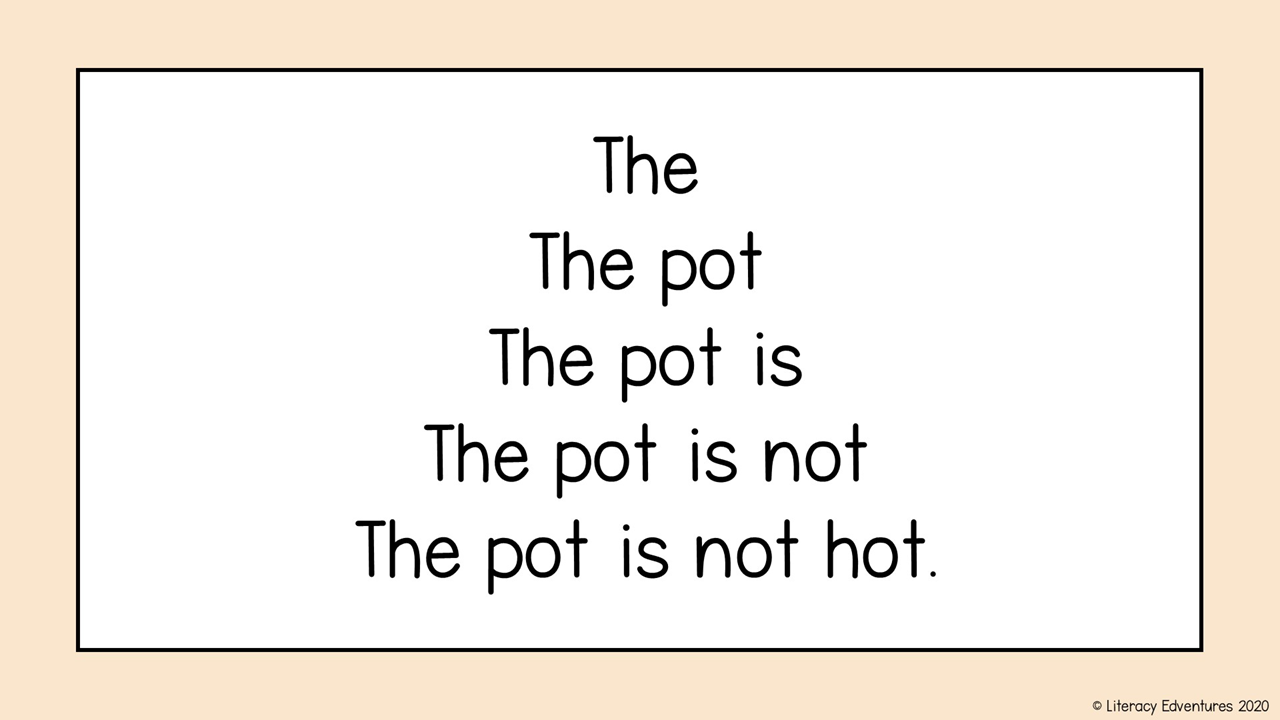
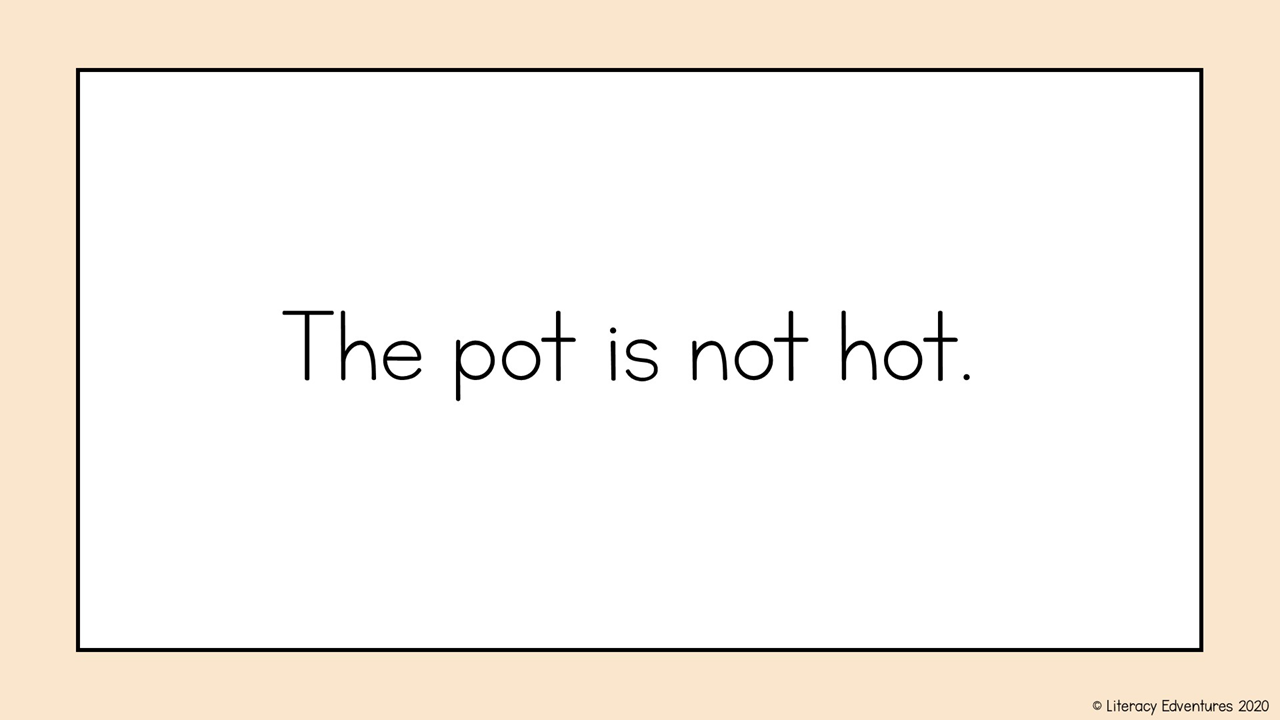
Finally, they encounter pot in a sentence and apply the same decoding skill in connected text.
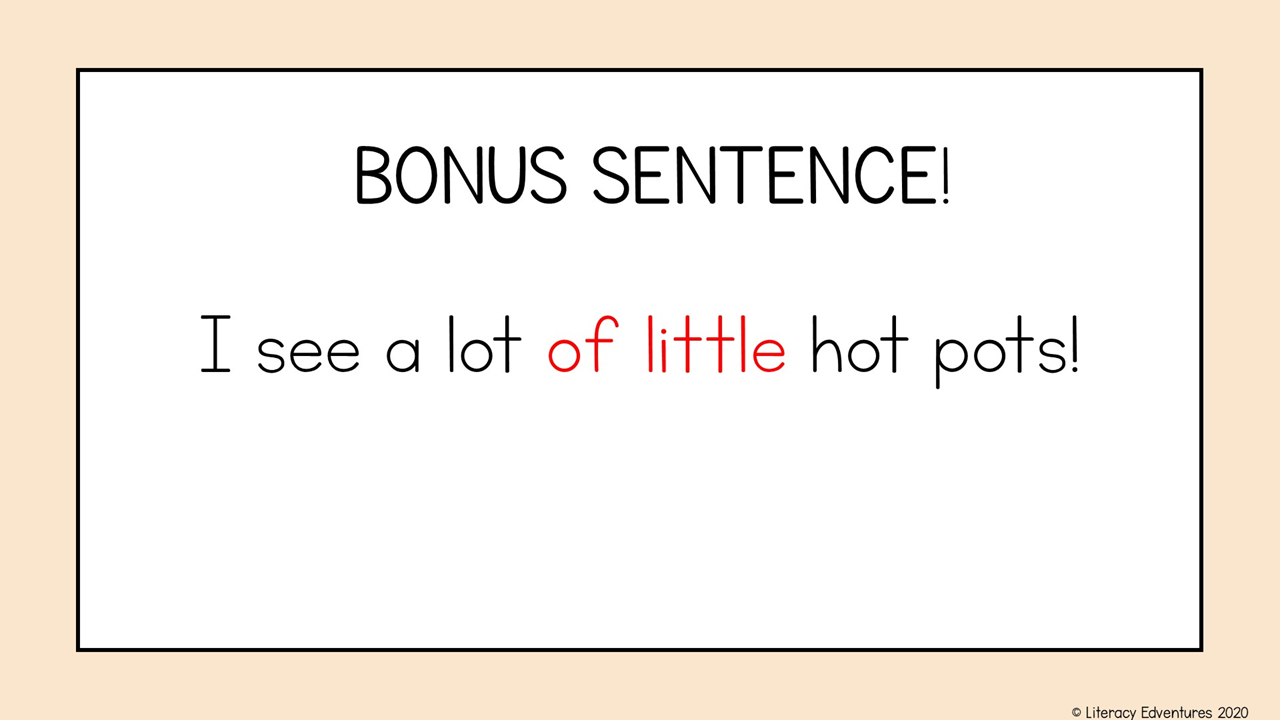
In the phonics slides I use, we intentionally repeat words across the lesson while gradually removing support.
The word repeats, but the thinking changes.
That's not busywork. That's purposeful practice.
Try This During Your Next Phonics Lesson
During your next phonics lesson, pay attention to who is doing the work.
How often are all students asked to say, read, blend, segment, map, write, or spell?
If you're asking lots of questions but only calling on one student at a time, look for a few places where you can turn an individual response into an all-student response.
You don't necessarily need another phonics activity.
You probably don't need a longer phonics block.
You may simply need more students responding during the minutes you already have.
And that is what engaging, explicit phonics instruction can look like.
Ready-to-Teach Whole Group Phonics Slides
If you want a consistent routine already built for you, my Whole Group Phonics Slides include explicit teaching, visual and auditory drills, decoding, word mapping, sentence and passage reading, dictation, high-frequency word review, teacher prompts, and student practice across 30+ phonics skills. Your current product pages reinforce these exact features, so the blog language and product language will also align nicely for search.