The Seven Instructional Decisions That Shape Every Great Phonics Lesson
How intentional instructional decisions strengthen Tier 1 phonics instruction and help more students become successful readers.
If you walked into twenty elementary classrooms during phonics instruction, you would probably see twenty different lessons.
Some teachers would be using slides. Others would have students writing on whiteboards. Some would include games, movement, partner work, decodable texts, or dictation. At first glance, it might seem like the classrooms with the most engaging activities would naturally produce the strongest readers.
But after years of teaching, coaching, and observing literacy instruction, I've become convinced that the biggest difference isn't the activity.
It's the instruction.
That's an important distinction because our profession often spends an enormous amount of energy searching for the next resource, the next routine, or the next curriculum. While high-quality materials certainly matter, they aren't what determine whether students learn.
Instruction does.
The question I now ask every time I observe a phonics lesson isn't:
"Did the teacher teach the lesson?"
It's:
"Who did the thinking?"
That one question has completely changed how I view literacy instruction.
The Most Powerful Reading Intervention Happens Before Intervention
When educators think about reading intervention, our minds often jump to small groups, intervention blocks, Title I services, or reading specialists.
Those supports are incredibly important. Some students absolutely need additional instruction beyond Tier 1.
But what if the greatest opportunity to improve reading outcomes isn't found in intervention at all?
What if it's found in the twenty to thirty minutes of explicit phonics instruction every child receives each day?
The goal of Tier 1 isn't simply to expose students to phonics skills.
It is to provide instruction so effective that fewer students require intervention in the first place.
That's a profound shift in thinking.
Instead of asking,
"Who needs intervention?"
we begin asking,
"How can I strengthen the instruction every student receives?"
That's where our greatest opportunity lies.
What the Research Consistently Tells Us
Whether you're reading Anita Archer, Barak Rosenshine, Tim Shanahan, Stephanie Stollar, or reports from the National Reading Panel and the What Works Clearinghouse, you'll notice the same themes appearing again and again.
Effective instruction is:
Explicit
Systematic
Cumulative
Responsive
Rich with opportunities for students to actively participate
Notice what's missing.
None of those researchers begin with,
"Find a better activity."
Instead, they focus on how we teach.
That's encouraging because instructional decisions are completely within our control.
The Seven Decisions That Shape Every High-Impact Phonics Lesson
These are the instructional decisions I look for every time I coach in a classroom.
1. Begin With Cumulative Review
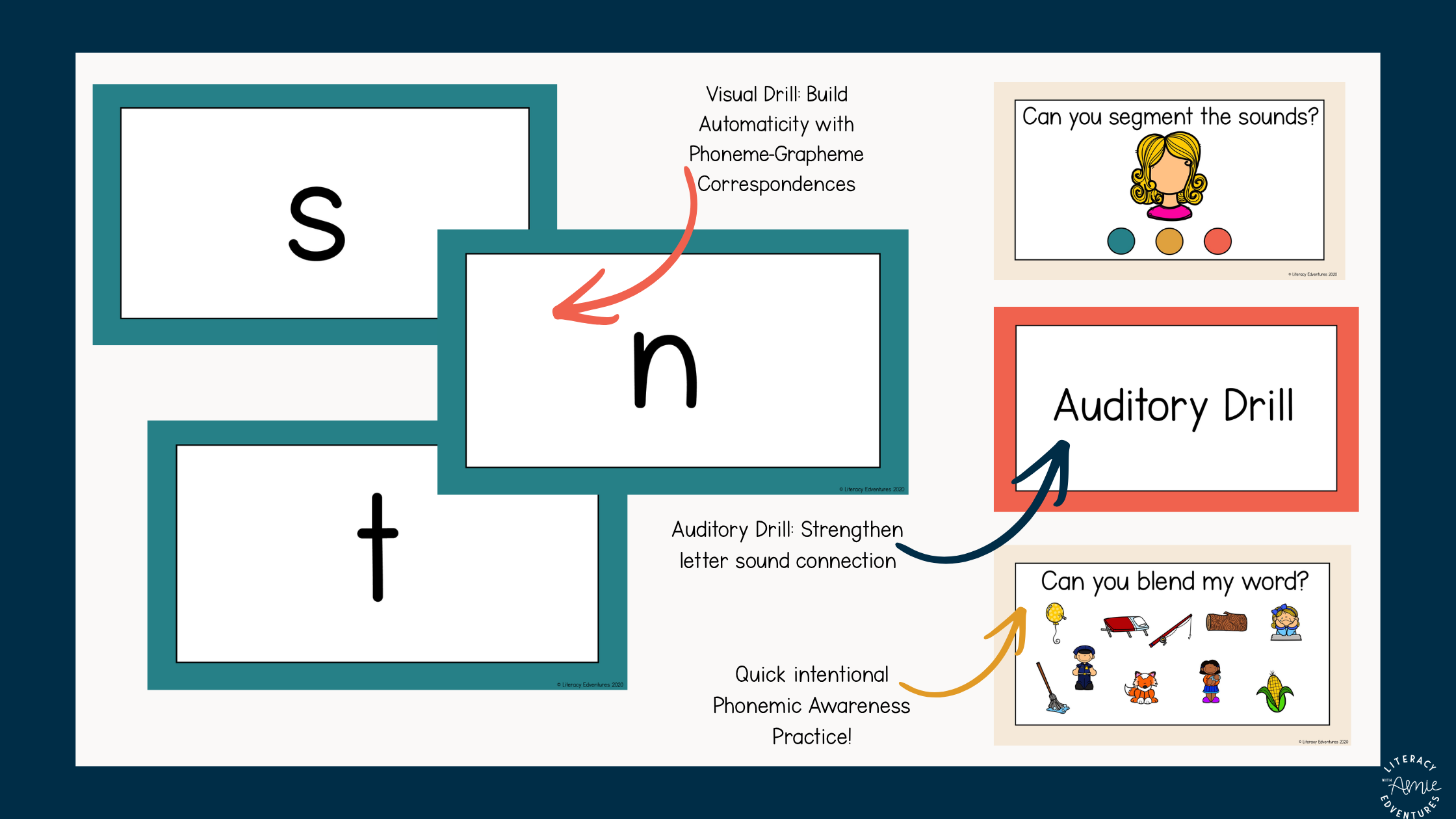
Every lesson should begin by strengthening previously learned skills.
Review isn't wasted time.
It's how memory grows stronger.
A quick review allows students to retrieve previously learned patterns while giving teachers immediate information about who is ready to move forward and who needs additional support.
Pause & Reflect
What am I helping students remember today?
2. Teach Explicitly
Students shouldn't have to guess what we're teaching.
Explicit instruction means clearly showing students exactly what they are expected to learn.
Model your thinking.
Think aloud.
Show examples.
Then move quickly into guided practice before expecting students to work independently.
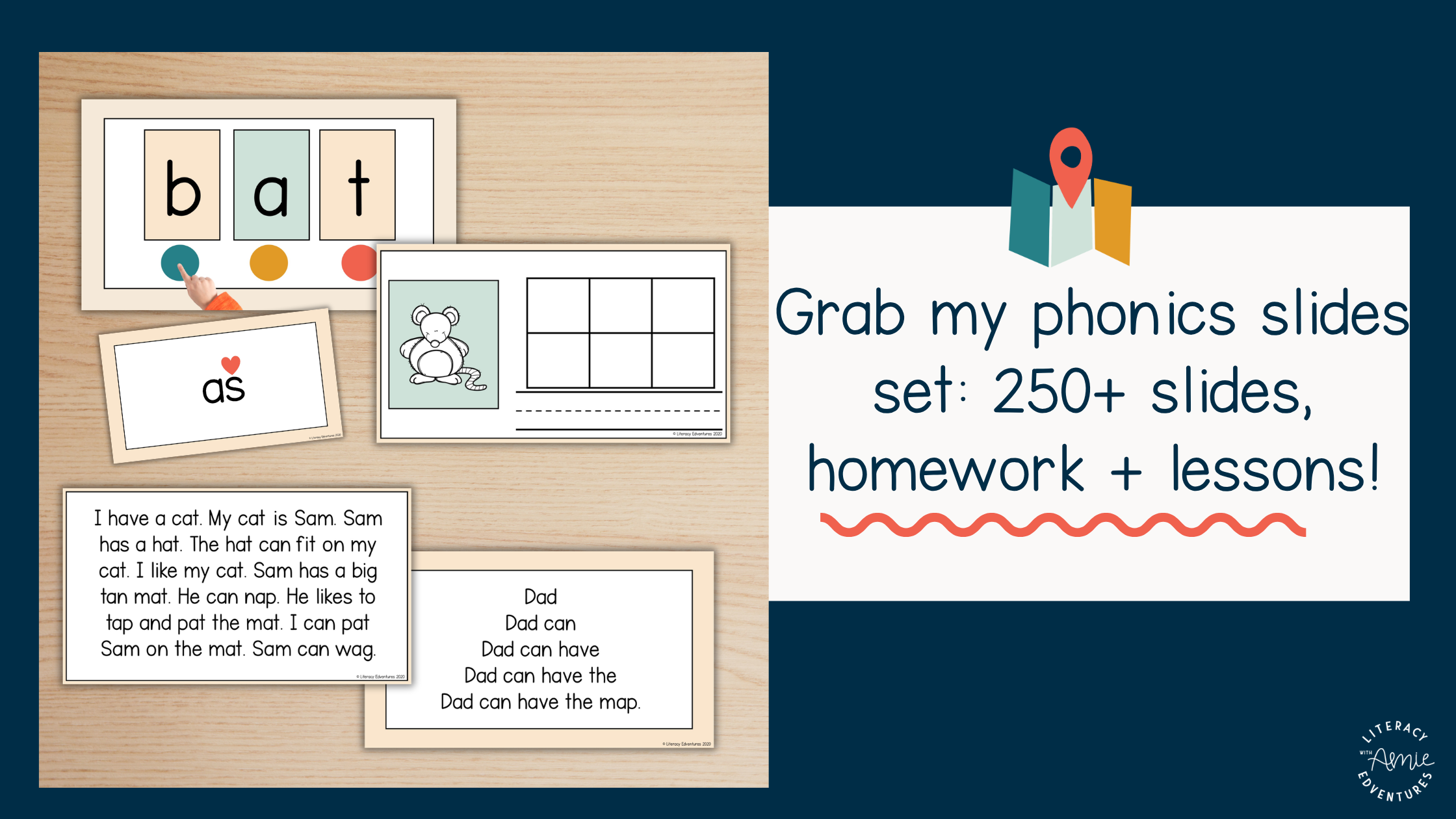
One of the questions I hear most often is, "How do I fit all of this into a 25-minute phonics lesson?" That's exactly why I created my daily phonics slides. They provide a consistent instructional routine that helps teachers spend less time planning and more time focusing on the decisions that matter most.
Pause & Reflect
Have I clearly modeled what I expect students to do before asking them to do it independently?
3. Increase Opportunities to Respond
This may be the single most overlooked part of phonics instruction.
Students do not learn because we explain something beautifully.
They learn because they think.
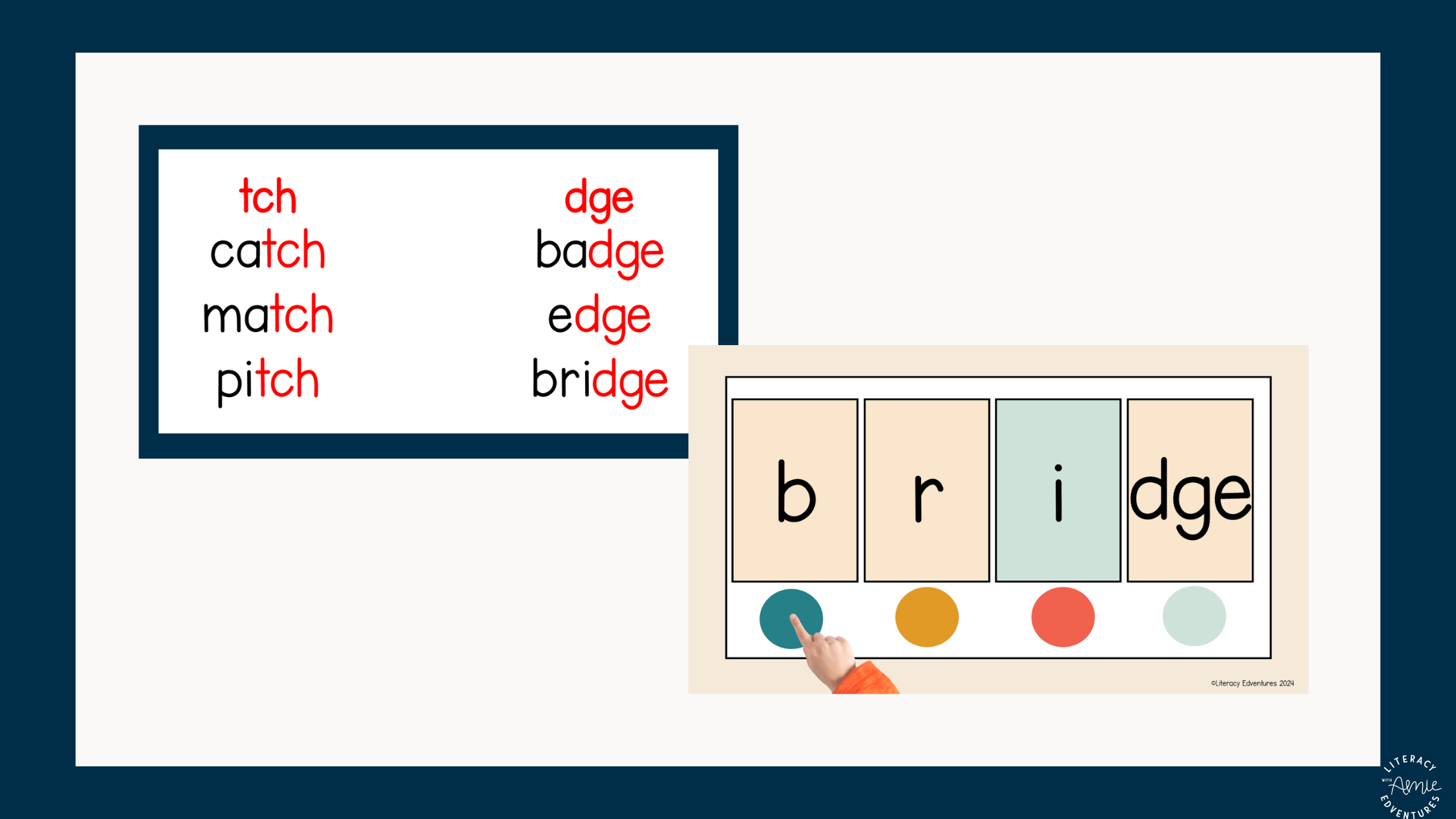
Every student—not just the volunteers—should have repeated opportunities to retrieve sounds, blend words, read words, write words, manipulate phonemes, and explain their thinking.
The more students actively respond, the more opportunities they have to strengthen learning.
Pause & Reflect
Who is doing the thinking right now—me or my students?
Students actively respond during a Tier 1 phonics lesson using sound boxes and guided practice to strengthen phonics skills.
4. Connect Reading and Writing
Reading and spelling strengthen one another.
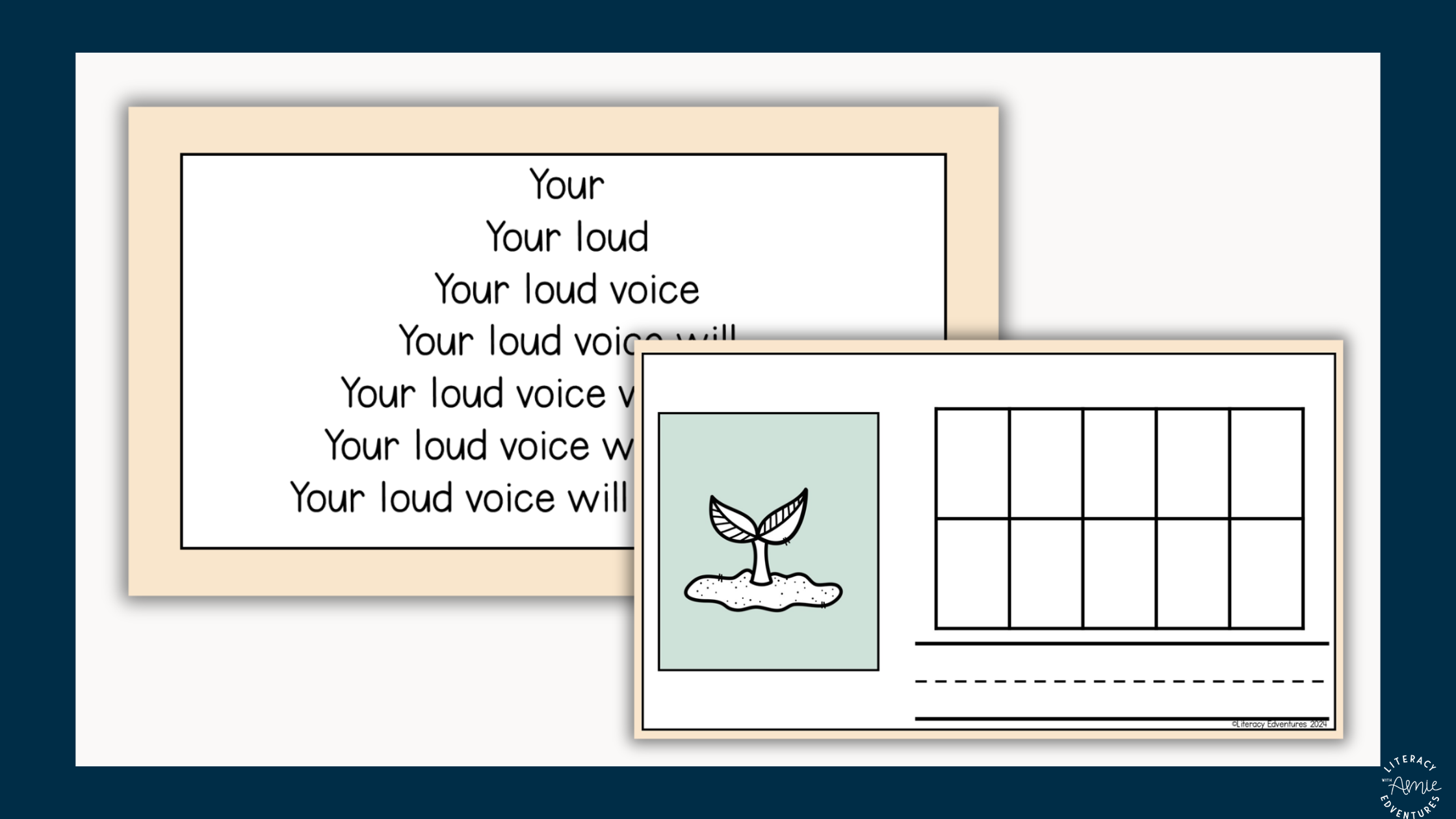
When students encode words, they analyze each sound, select the correct grapheme, and apply today's learning in a deeper way than reading alone allows.
That's why dictation should never feel like an "extra" if time allows.
It's one of the most powerful parts of the lesson.
Pause & Reflect
Did students have an opportunity to apply today's learning through both reading and writing?
5. Move Into Connected Text
Students shouldn't stop after reading isolated words.
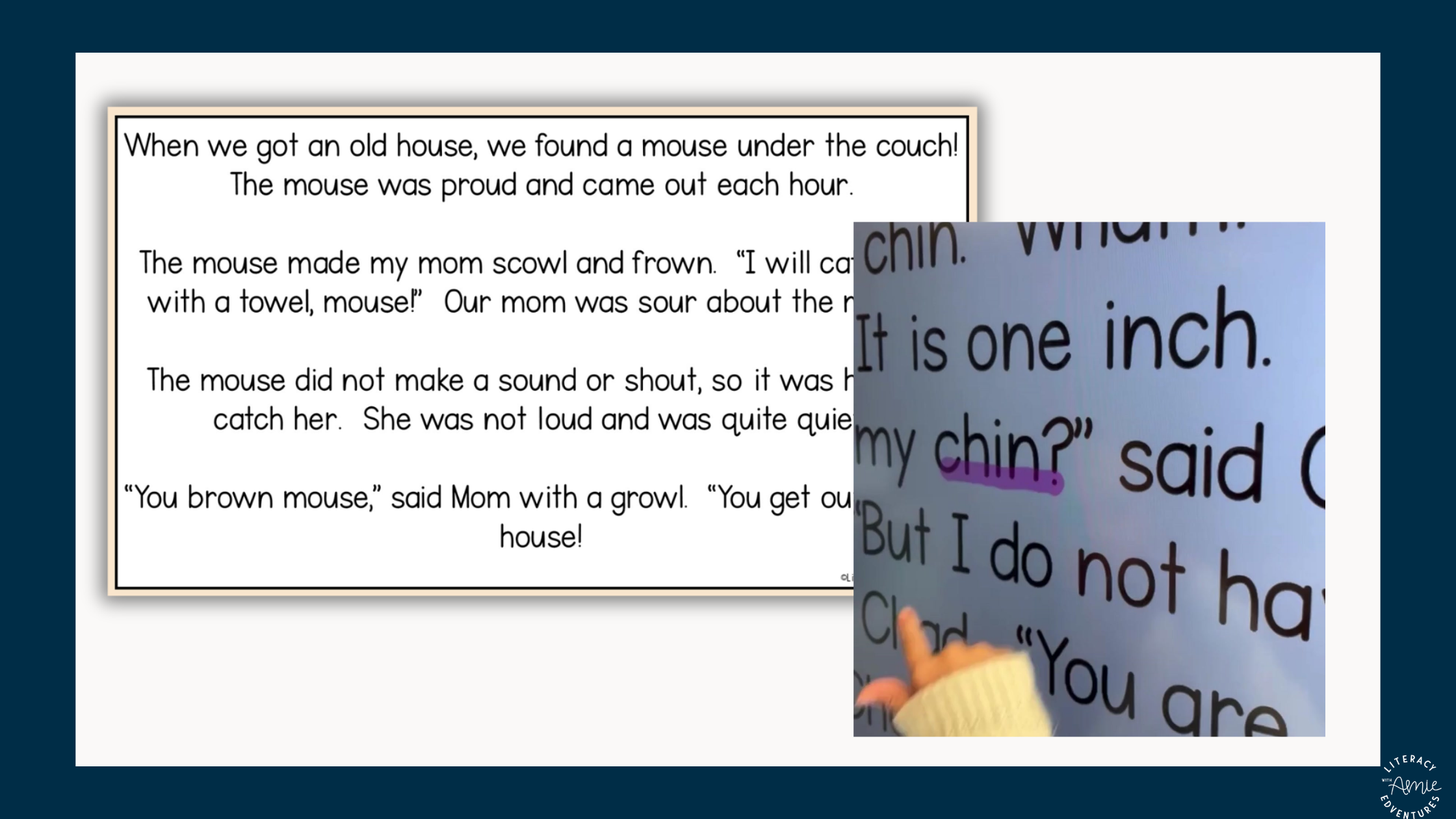
They need opportunities to apply today's learning in sentences and decodable text.
This is where phonics begins transferring into authentic reading.
One of the reasons I built Foundations2Fluency the way I did was to ensure every lesson moves beyond isolated practice. Students review, read, write, and apply the skill in connected text because that's how new learning becomes lasting learning.
Pause & Reflect
Have I given students an opportunity to transfer today's learning into authentic reading?
6. Respond to Errors Immediately
Mistakes aren't failures.
They're information.
Strong teachers don't ignore errors or turn them into lengthy explanations.
Instead, they notice them quickly, model the correct response, provide another opportunity to practice, and move on.
Those few seconds of corrective feedback prevent students from practicing mistakes and keep the lesson moving.
Pause & Reflect
When students make mistakes, do I view them as interruptions or opportunities for instruction?
7. Leave the Lesson Knowing What Students Learned
Sometimes we judge a lesson by whether we finished it.
I don't.
I judge it by whether I know what students learned.
By the end of every lesson, you should know:
Who mastered today's skill.
Who needs another opportunity to practice.
Who may need additional support.
That information should shape tomorrow's instruction.
Pause & Reflect
What did I learn about my students today that will change tomorrow's instruction?
It's Not About the Activity
Here's the truth.
A whiteboard isn't effective because it's a whiteboard.
A decodable text isn't effective because it's decodable.
A game isn't effective because it's fun.
Every resource becomes powerful—or powerless—based on how you use it.
The teachers who consistently produce strong readers aren't chasing the next activity.
They're making intentional instructional decisions.
They know what they're reviewing.
They model with clarity.
They maximize student thinking.
They connect reading and writing.
They respond to errors in the moment.
And they use student performance to shape what happens next.
That's what high-impact phonics instruction looks like.
Your Turn
Before you plan your next phonics lesson, walk through these seven questions:
What am I helping students remember today?
Have I clearly modeled today's learning?
Who is doing the thinking right now?
Did students both read and write?
Have students applied today's learning in connected text?
How will I respond when students make mistakes?
What evidence will shape tomorrow's instruction?
Those questions will tell you far more about the quality of your lesson than the activity you chose.
Because great phonics lessons aren't built around better activities.
They're built around better instructional decisions.
Ready to See What This Looks Like in Action?
If you're wondering how to bring these seven instructional decisions to life in your classroom, I'd love to help. Download My Free Phonics Slides!
Inside, you'll get a complete lesson from my Daily Phonics Slides so you can see exactly how these instructional decisions come together in a consistent, research-based routine.
Your free download includes:
250+ daily phonics teaching slides
Explicit whole-group lesson routines
Student practice activities
Connected text
Dictation and word mapping
Homework pages
Parent letters
And everything you need to confidently teach phonics from start to finish
Grab your free phonics lesson here and experience the routine for yourself.